As the annual T3 Technology Conference nears, AI’s significance for wealthtech and the overall wealth management sector is only growing. The theme of this year’s conference is “From Noise to Knowledge: The FinTech Playbook for 2026 and Beyond.”
AI is expected to play a starring role at the conference, to be held March 9-12 at the Hyatt Regency New Orleans. The 2026 conference will debut its AI University on March 9, which T3 producer Technology Tools for Today said will offer an immersive learning experience designed to help advisors, planners and professionals with practical AI implementation advice and demonstrations.
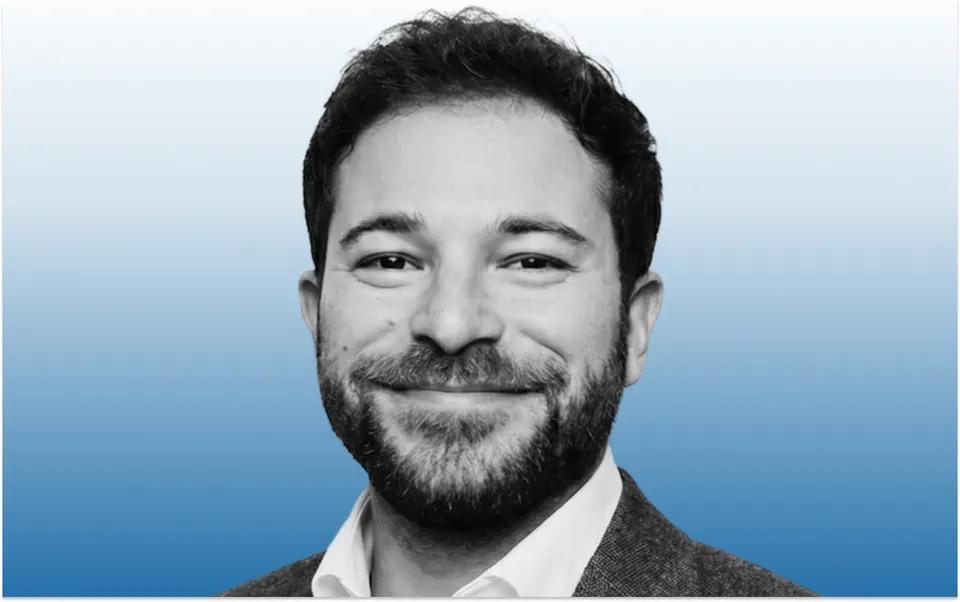
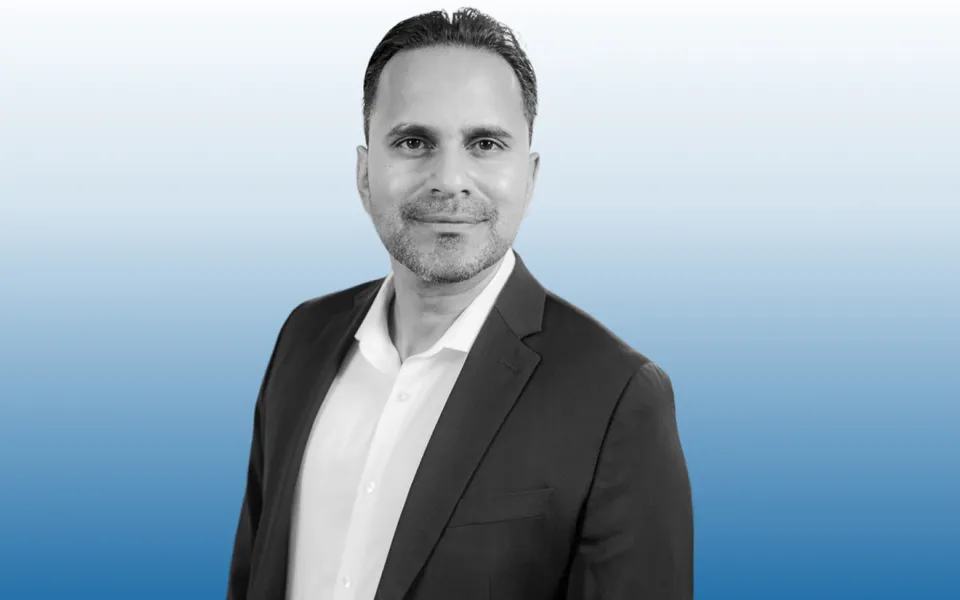
WSR spoke with Joel Bruckenstein, President of Technology Tools for Today; Sean Sandys, Chief Technology Officer at Syntax Data; and John O’Connell, Founder and CEO of The Oasis Group.
We asked them: Why do you think this will be the year of serious AI adoption – and what does that mean for wealth solutions, investment management, financial planning and practice management?
Their responses follow.
Joel Bruckenstein, President, Technology Tools For Today

The year 2026 will be the inflection point for AI in wealth management because the technology is moving from generative (creating content) to agentic (executing tasks).
From passive to active: This year will mark the maturity of agentic AI. Unlike an LLM that can just write, an AI agent can be granted permission to perform multi-step actions.
While 2024 and 2025 were years of experimentation and “chatbots,” 2026 will be the year of “do-bots” — autonomous agents capable of executing complex workflows, not just summarizing them. This shift, combined with the pressure for firms to show tangible ROI from their tech investments, will drive serious adoption.
For example, instead of asking, “What is the tax implication of selling X?”, an advisor can instruct an agent: “Review the Smith family portfolio, identify lots with harvestable losses, simulate a sale to offset their recent gains, and draft a trade proposal for my review.”
Financial planning is moving from a static, annual document to a “living,” real-time simulation.
Hyper-personalization at scale: Currently, truly bespoke portfolios are reserved for ultra-high net worth clients. In 2026, AI can apply that same level of customization to mass-affluent clients. It can instantly analyze thousands of securities to build a portfolio that aligns with a client’s specific ethical values, risk capacity and time horizon.
The adoption of AI this year does not mean the end of the human advisor; it means the end of the administrative advisor.
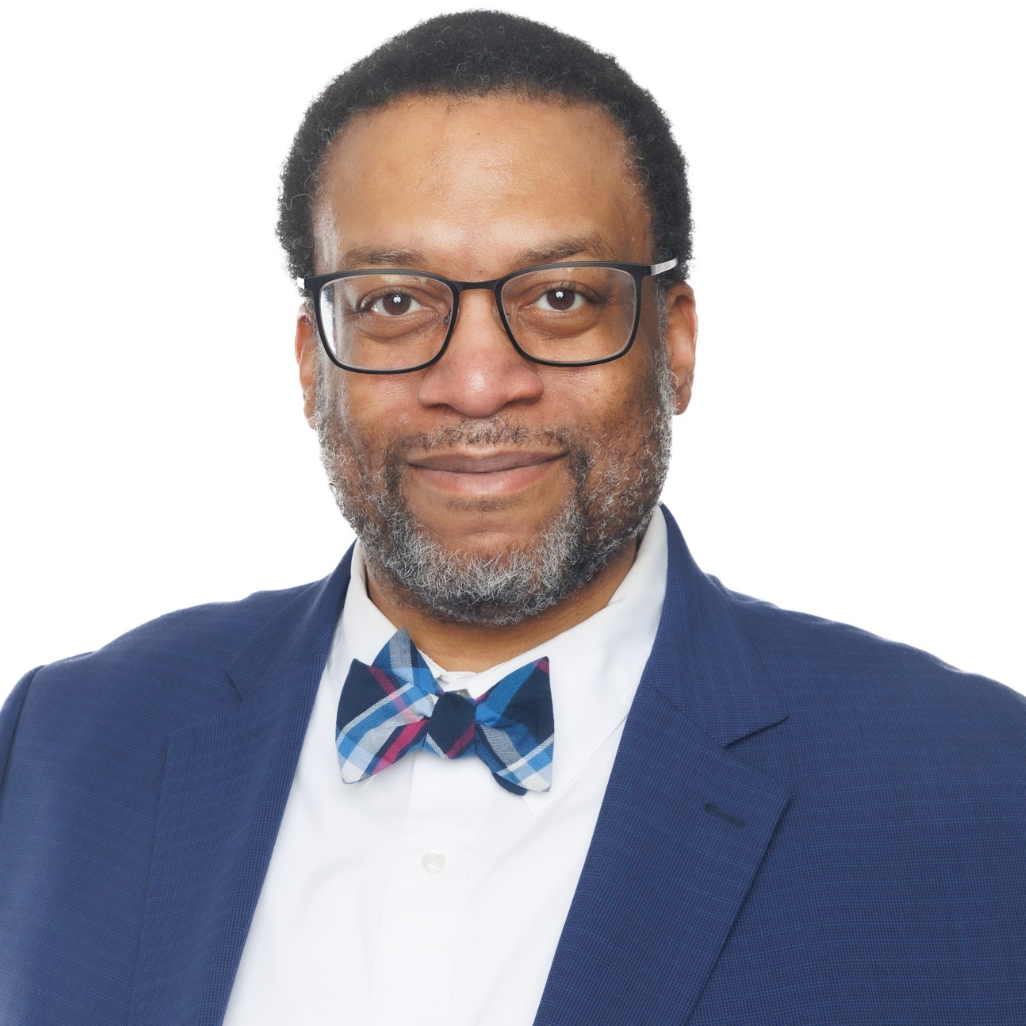
Sean Sandys, Chief Technology Officer, Syntax Data
We’re already seeing this play out. Stakeholders across wealth management, investment and financial services are experimenting with off-the-shelf tools. According to the 2025 Schwab Independent Advisor Outlook, 57% of RIAs use AI tools today, with another 29% exploring how to get started.
This growing familiarity is shaping expectations: Organizations now have a clearer sense of what they need from AI-powered solutions before they’ll trust the output enough to act on it.
Trust will be the key driver of serious AI adoption in 2026. Organizations in wealth management and financial services aren’t technology-averse; they’ve spent decades adopting tools that improve efficiency and scale.
The barrier to integrating AI isn’t willingness – it’s confidence. To act on AI-generated results, firms need to understand and trust them. This trust develops over time through repeated, positive outcomes with measurable ROI.
In a regulated industry, results without context are dangerous for all stakeholders. To ensure fiduciary accountability, AI must move beyond providing answers to delivering the audit trails and explanations that make those answers defensible.
Architectural innovations like Retrieval-Augmented Generation, which connects LLMs to curated knowledge bases, and Model Context Protocol, which gives LLMs access to specialized tools and data sources, make it increasingly practical to constrain AI behavior and surface the context in which it’s operating.
John O’Connell, Founder And CEO, The Oasis Group

The wealth management industry stands at an inflection point. After years of experimental deployments and cautious pilots, 2026 will mark the transition from AI curiosity to strategic necessity.
The note-taking solutions have reached market saturation with a significant number of existing solutions. Major CRM platforms now embed meeting transcription and summary capabilities, commoditizing what was once a differentiating feature. The real opportunity lies beyond capturing client conversations; it’s about operationalizing intelligence across the enterprise.
Leading firms have spent 2024 and 2025 building institutional knowledge through discrete AI agent deployments: document review, compliance monitoring and basic client servicing tasks. These foundational implementations taught firms how to govern AI, measure its impact and build organizational confidence. That groundwork enables the complex, high-value AI agents coming in 2026.
Economics will accelerate adoption. AI-powered middle- and back-office automation delivers efficiency gains at a fraction of headcount costs. When firms can automate portfolio rebalancing workflows, beneficiary designation reviews or estate document analysis at scale, the competitive advantage becomes undeniable. Firms that establish AI-acceptable use policies, cross-functional adoption teams and systematic capability evaluation will capture market share from slower-moving competitors.
The window for strategic advantage is closing. Implementation timelines mean decisions made in 2026 determine future competitive positioning.
More Info For T3 Attendees:
For those interested in attending T3 this year, the following discount codes will reduce rates: T3WSR26BOGO (buy one get one if from the same advisory firm, expiring Jan. 31 at 11:59pm ET); T3WSR26AIU50 ($50 off a day pass to AI University on March 9); and T3WSR200 ($200 off a full conference pass March 9-12).
In this video, WSR’s CEO Larry Roth, who is also Founder and Managing Partner of Ascentix Partners, and Julius Buchanan, WSR’s Editor in Chief, shared why they are excited to attend T3 and what they are looking forward to at the conference.
Jeff Berman, Contributing Editor and Reporter at Wealth Solutions Report, can be reached at jeff.berman@wealthsolutionsreport.com.
This article is published under WSR’s partner program. For more information on how to participate in the partner program, contact zack.drew@wealthsolutionsreport.com.