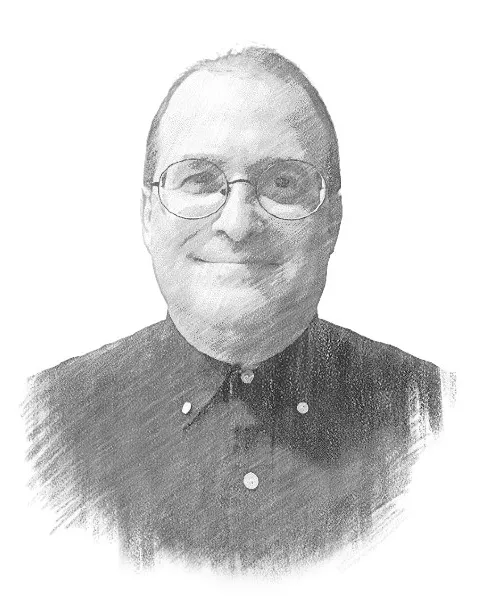
When it comes to clients’ estate planning, it is crucial that advisors be as proactive as possible, according to Steve Lockshin, Chairman and Co-Founder of estate planning software developer Vanilla.
One key part of being proactive is making sure that you’re not just focusing on minimizing clients’ taxes.
“Protecting assets from probate is a top priority when making an estate plan,” Vanilla said in its recently released “State of Estate Planning Report 2026.”
“This protective instinct reflects a deeper truth: estate planning is fundamentally about shielding loved ones from uncertainty,” according to the report, which was based on responses to a survey of over 1,000 U.S. consumers.
One of the findings was that 54% of respondents said they were concerned their heirs lack financial literacy or responsibility. Also, 40% of respondents said passing down family values and principles was their top priority beyond financial assets.
We caught up with Lockshin, who provided some insights into what the survey’s findings showed.
WSR: Your survey indicates more clients are concerned about their heirs’ preparation than about taxes. What are the drivers for this and what can advisors do to meet this demand?
Lockshin: This reflects a fundamental shift in how clients define risk. Taxes are finite and calculable. Unprepared heirs represent an open-ended risk to family stability, values and long-term outcomes.
More than half of respondents worry their heirs lack financial literacy or responsibility, and many have seen firsthand how inherited wealth can undermine motivation, relationships or judgment.
Advisors meet this demand by broadening estate planning beyond structures and tax efficiency. Clients want help preparing people, not just assets. That means facilitating family conversations, teaching people how to budget properly, and helping clients align control with readiness.
“Advisors who focus only on minimizing taxes are solving yesterday’s problem.”
Advisors who focus only on minimizing taxes are solving yesterday’s problem. Advisors who help families prepare heirs are addressing the concern clients actually lose sleep over.
WSR: The survey also shows a strong preference for built-in education, at 68%. What education do clients think is lacking now? How can advisory firms make education part of the process?
Lockshin: What’s missing isn’t access to information; it’s understanding. Clients and heirs struggle to grasp how trusts work, why decisions were made and what responsibilities come with wealth. Over 40% lack confidence in their understanding of trusts, which signals a failure of explanation, not intelligence.
Education becomes effective when it’s embedded in the planning process, not bolted on afterward. Advisory firms can integrate education by using plain language, visualizing structures and grounding discussions in real-life tradeoffs and consequences. Education should occur at moments of decision — when setting distributions, selecting trustees or defining incentives.
When clients and heirs understand the “why,” they engage more deeply and make better decisions. Education isn’t a separate service; it’s how planning actually works.
WSR: The survey indicates that 80% of clients expect advisors to integrate estate planning into their services. Are advisors doing that now, and what are the options for them to meet that expectation?
Lockshin: Most advisors are still adjacent to estate planning rather than integrated with it. They refer clients to attorneys and remain peripherally involved (if at all). Clients are signaling that this model no longer meets expectations.
The data shows clients view their financial advisor as the coordinator of their financial life and expect them to initiate and manage estate planning, even when legal work is outsourced. Nearly 70% prefer an advisor-led or advisor-managed model.
Advisors have three paths: build in-house estate planning capability, create tightly coordinated partnerships with attorneys, or adopt platforms that allow estate planning to live inside their workflow. What’s no longer viable is treating estate planning as episodic or optional. Integration is now a baseline expectation.
WSR: Did the survey show any other large surprises? What can advisors learn from that?
Lockshin: Two findings stand out.
First is the gap between belief and behavior. While 97% believe discussing estate plans with family is important, fewer than 40% have had detailed conversations. Clients want help starting and navigating those discussions, not just encouragement to have them.
Second is attitudes toward technology. Clients are broadly comfortable with AI handling routine estate planning tasks, provided there is professional oversight. They don’t want automation to replace advisors; they want it to remove friction.
The takeaway is clear. Advisors add the most value by facilitating difficult conversations, exercising judgment, and managing family dynamics. Technology should support that role, not distract from it. The future of estate planning is less transactional and more relational.
Jeff Berman, Contributing Editor and Reporter at Wealth Solutions Report, can be reached at jeff.berman@wealthsolutionsreport.com.