

When viewed through a business lens, the old saying “dance with the one who brought you” encourages leaders to adhere to the tried-and-true methods and ethos that have brought them success in the first place. It’s sage – but limiting – advice. In wealth management, continued success also demands a willingness and ability to adapt to current business conditions and shifting expectations, while also preparing for what’s around the corner.
Growth can be a double-edged sword, as some firms struggle to hold fast to tenets central to their identity amid ongoing expansion and external demands. Maintaining authenticity in the face of momentum that could propel you away from the path you’ve chosen takes concerted effort and planning. But sticking with your dance partner is a choice that can inhibit growth.
Last year, Cambridge Investment Research exceeded $2 billion in annual revenue last year, without the help of outside capital partners. We sat down with the firm’s Colleen Bell, President, Innovation and Experience; Seth Miller, President, Advocacy and Administration; and Jeff Vivacqua, President, Growth and Development, to discuss how Cambridge holds to its identity while adapting to the evolving needs of financial professionals and clients, balancing growth with tradition and the costs of maintaining its independence.
WSR: Growth often introduces pressure to standardize. How has Cambridge balanced the need for consistency and efficiency with its emphasis on advisor independence and personalized service?
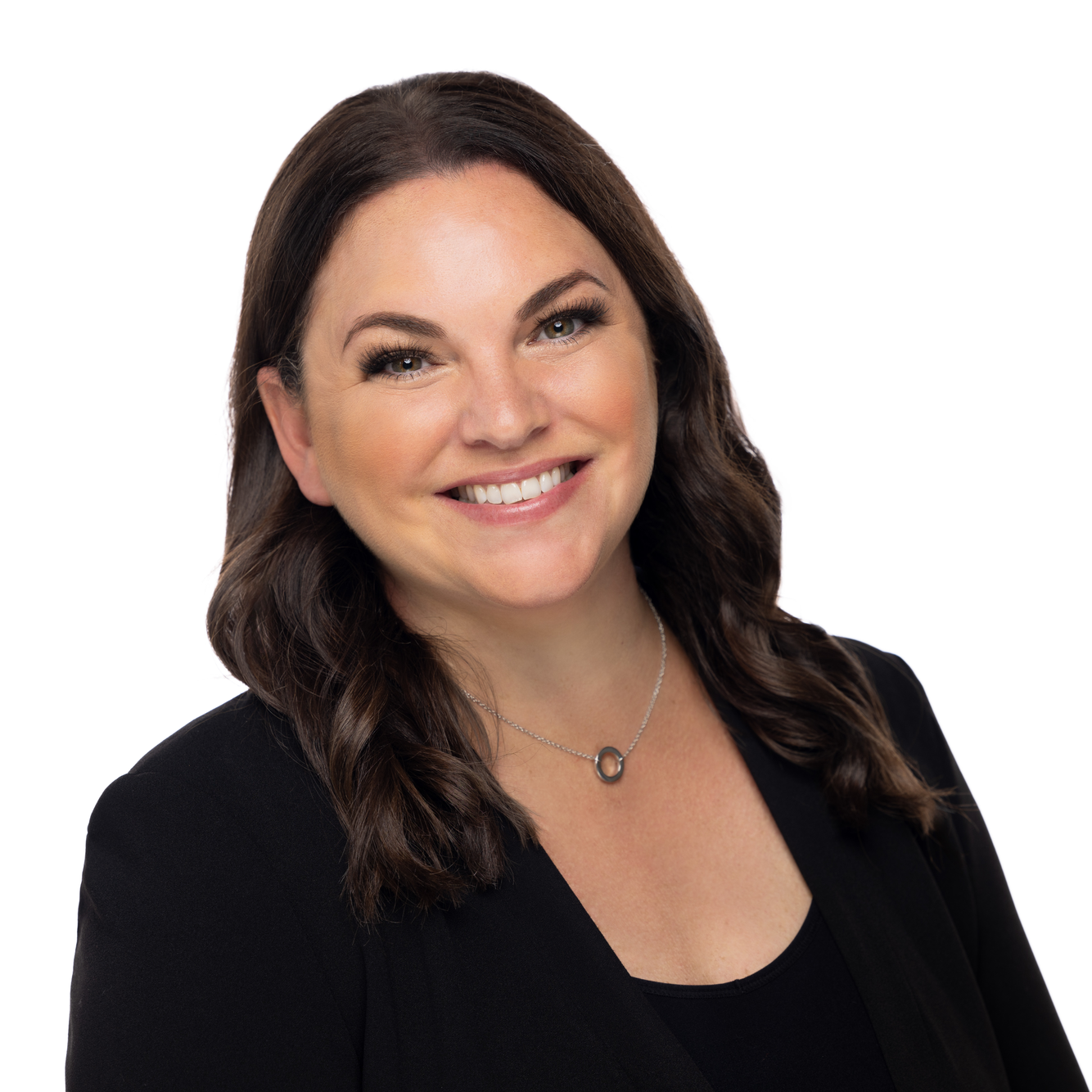
Bell: Our growth has made us think about what makes us special in the marketplace. And it goes back to our core values of flexibility and kindness. Flexibility really does create those personalized experiences for our financial professionals. We focus on making one-size-fits-one decisions, so that we aren’t putting people in a box and expecting them to adapt to us. We listen to what the financial professional is trying to achieve and make a decision based on where they need to get to.
WSR: As Cambridge has scaled, what core cultural principles have been hard-stop, non-negotiable – and how do you ensure they aren’t diluted as the organization grows?
Bell: We remain true to our core values of integrity, commitment, flexibility and kindness. Our purpose statement, which we have had for a long time, is to make a difference in the lives of financial professionals, their clients and our associates. It’s about making sure we’re treating our financial professionals and associates well and creating memorable moments for them. It’s not transactional. It’s about relationships. We continue to instill those principles and philosophy with our associates every day.
WSR: What leadership behaviors or governance structures have been most important in reinforcing a long-term focus, especially during periods of rapid change or market disruption?

Miller: We have a huge asset at Cambridge: We’ve got decades of tenured talent, so we clearly understand the logic behind, and the rationale for, why we made decisions in the past and how we’ve arrived here. This institutional knowledge allows us to move forward. But we are aware we’re not necessarily going to repeat what we did yesterday just for the sake of doing so. As a firm, we are different from what we were 10 years ago, but we implement change incrementally and thoughtfully as needed to minimize disruption.
We’re operating in a dynamic industry. You’ve got an evolving regulatory environment, rampant technological innovation and diverse generations of financial professionals and clients with different expectations. This is what independence looks like. You need this type of flexibility to actually be independent because independence means something different to every single person.
WSR: How does Cambridge evaluate potential acquisitions, partnerships or internal expansions through the lens of cultural alignment, rather than just financial or operational fit?
Miller: It’s got to be a good fit with our firm and our entire community. We try to determine who people are, their beliefs and values, and whether we’ll work well together. Our community is our strength. Will they be additive to the whole? We certainly review the financials, regulatory history and conduct the typical due diligence. But it really comes down to: Is it a mutually beneficial relationship, and can we work together pleasantly, so that everyone feels good tomorrow and down the road?
WSR: As Cambridge grows, how do you ensure leadership remains accessible and connected to advisors and staff on the front lines?

Vivacqua: It’s a challenge that you have to work at and one we prioritize. You have to put yourself out there. As a leader, I know I can’t stay holed up behind a closed office door and expect to truly understand our people or what’s happening or expect them to know me. If I don’t put myself out there and engage in meetings, one-on-one conversations, and both large and small group settings, those connections don’t happen.
We need to work hard and have fun at the same time, creating a workplace people genuinely want to be part of. That’s why our conference closing events often have a fun theme, and I participate right alongside our financial professionals and associates. If it’s ‘80s Night, I’m showing up in an ‘80s costume. If it’s Sports Night, I’m bringing the gear and engaging in some spirited debate about whose team is better.
Those moments matter. They build relationships beyond conversations about investments.
Our culture is built on relationships. And our culture drives our architecture. We meet financial professionals where they are, whether it’s interpretation of the rules, platform design or the services that they may look for, from a coaching or consulting perspective. Getting their feedback and input helps us create something that resonates. For us, culture comes first. Our decisions flow from that, and we build our architecture to support it.
Relationship management isn’t owned by one team at Cambridge. We want all 900 of our home office associates to think that way, because that’s how we truly set ourselves apart.
WSR: Cambridge has grown independently for years and, in some cases, more slowly than other firms in the space. You have prioritized remaining internally controlled, which has limited access to capital and external resources. Have your values hurt your growth opportunities, especially in regard to large-scale M&A expansion?
Vivacqua: Access to resources matters, but how those resources are used matters more. At Cambridge, we prioritize financial stability, reinvest in ways that directly benefit our advisors, and stay deeply committed to our culture and the client experience. We take a purposeful approach to growth, rooted in our values and focused on long-term strategy rather than short-term wins.
There are three key avenues for smart growth: recruiting, organic growth and acquisition. Purpose-driven firms understand the importance of investing in all three. Our internal control allows us to lean into each, at the right time, based on what’s best for the business. No firm can sustainably scale by relying on just one. Relying too heavily on recruiting or acquisitions alone tends to be short-term and difficult to replicate.
When it comes to acquisitions, we’re selective. We look for advisors and firms that align with our culture and values. With multiple business models across both independent and fee-only spaces, that alignment is critical, as it minimizes disruption and strengthens the broader community.
Ultimately, when a firm is clear on its true north, that’s what enables meaningful scale and sustained, intentional growth.
James Miller, Contributing Editor and Research Analyst at Wealth Solutions Report, can be reached at ContributingEd@wealthsolutionsreport.com.


