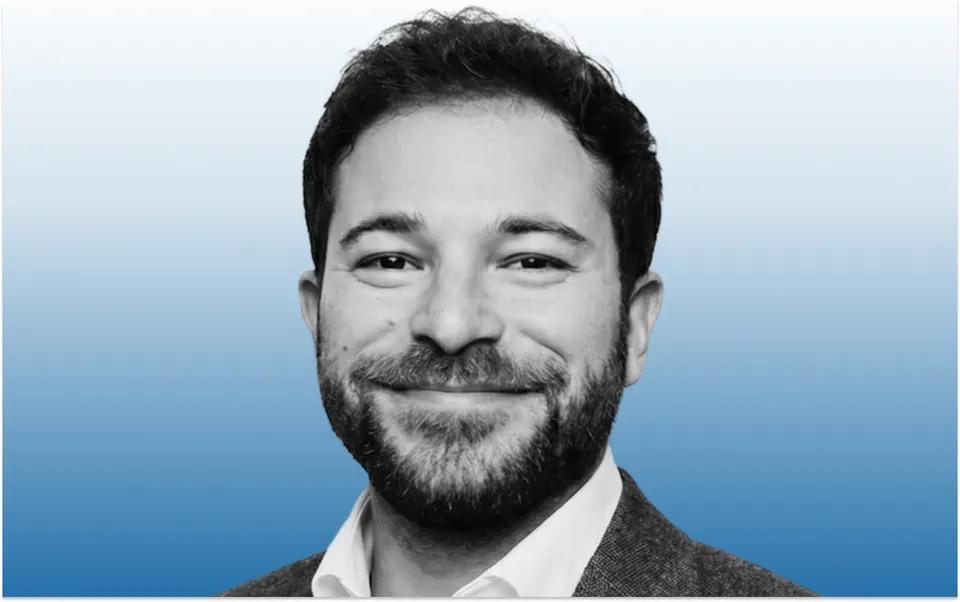
At the T3 Technology Conference 2026 at the Hyatt Regency New Orleans, Joel Bruckenstein, President of Technology Tools for Today, led the official conference kickoff on the morning of March 10 in festive spirit, with a Mardi Gras tie and king hat.
His overall take on the future of AI in wealth management was: “The need for advisors will be much greater,” but the structure of firms will change. “The skillsets you need in your offices will change,” he added.
Investment Management Merging With Wealth Management
Taking the stage immediately after Bruckenstein, Patrick Shaddow, President and CEO of Syntax Data, spoke on the “fundamental shift between investment management and wealth management.” Declaring that his presentation was more about business strategy than technology, he said that in the past investment management and asset management have been two distinct businesses, but the boundaries that kept them separate are dissolving.
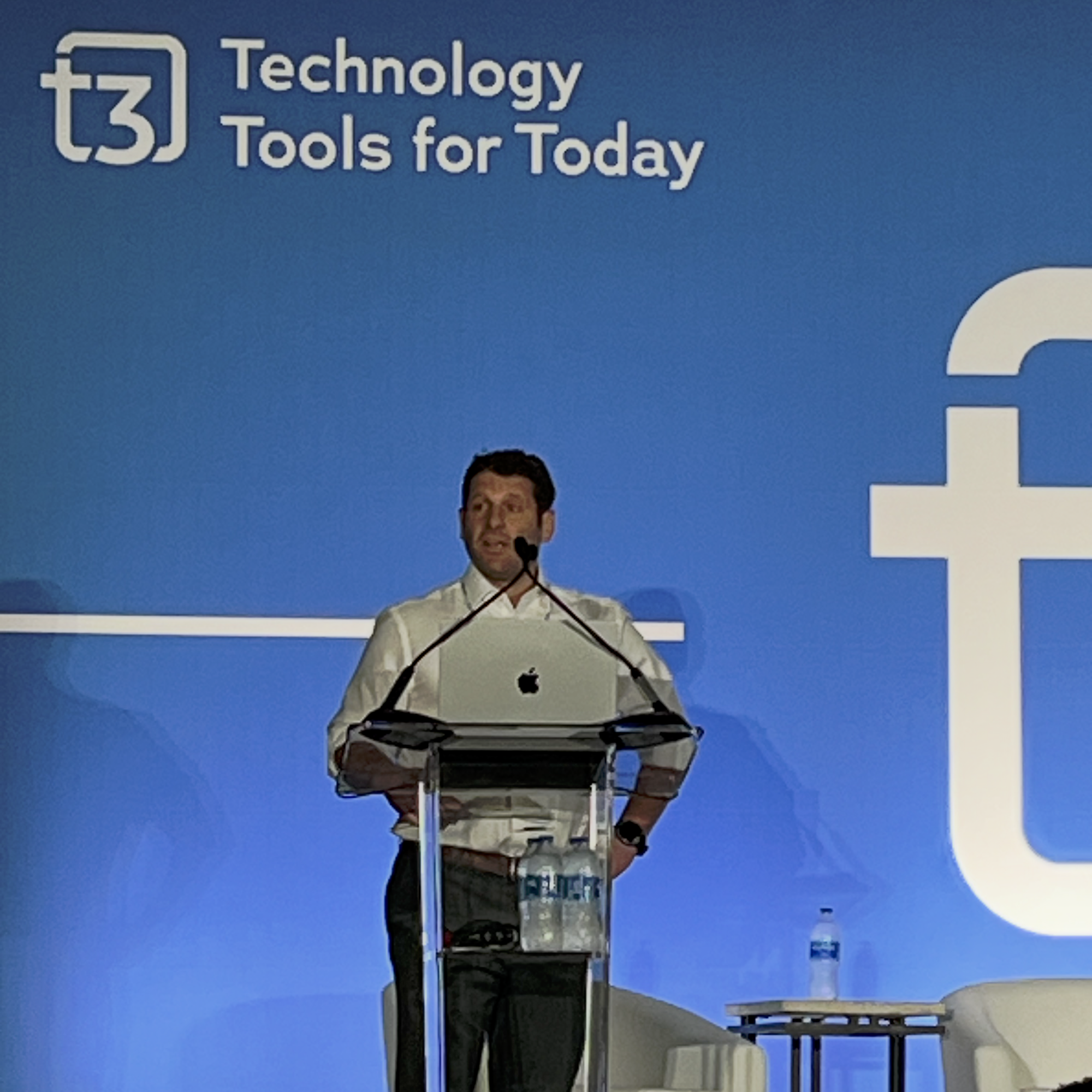
Shaddow recounted that in the past, advisors, with less resources, would outsource investment management to larger firms. But due to technology advancements, advisors can now integrate both in a way that is “multiplicative” rather than “additive.”
He said that the branding advantage goes to an advisor who can demonstrate it has the capabilities to manage assets in-house, rather than presenting the brand of a large firm or asset manager when clients ask about investment management. This branding advantage can prove especially useful in making heirs into clients, according to Shaddow, when inherited assets pass.
He added that advisors gain profitability by managing investments because a third-party investment manager will charge fees that must be absorbed by either the advisor or their clients. In-house management by advisors can significantly reduce fees by relying on simpler products, putting them in better position to compete.
Shaddow said the changes are happening now because custodial technology has improved, reducing infrastructure costs, introducing fractional share trading and increasing the sophistication of trade execution. “The tech gap between large asset managers and advisors has closed,” he added.
‘Operational Excellence’
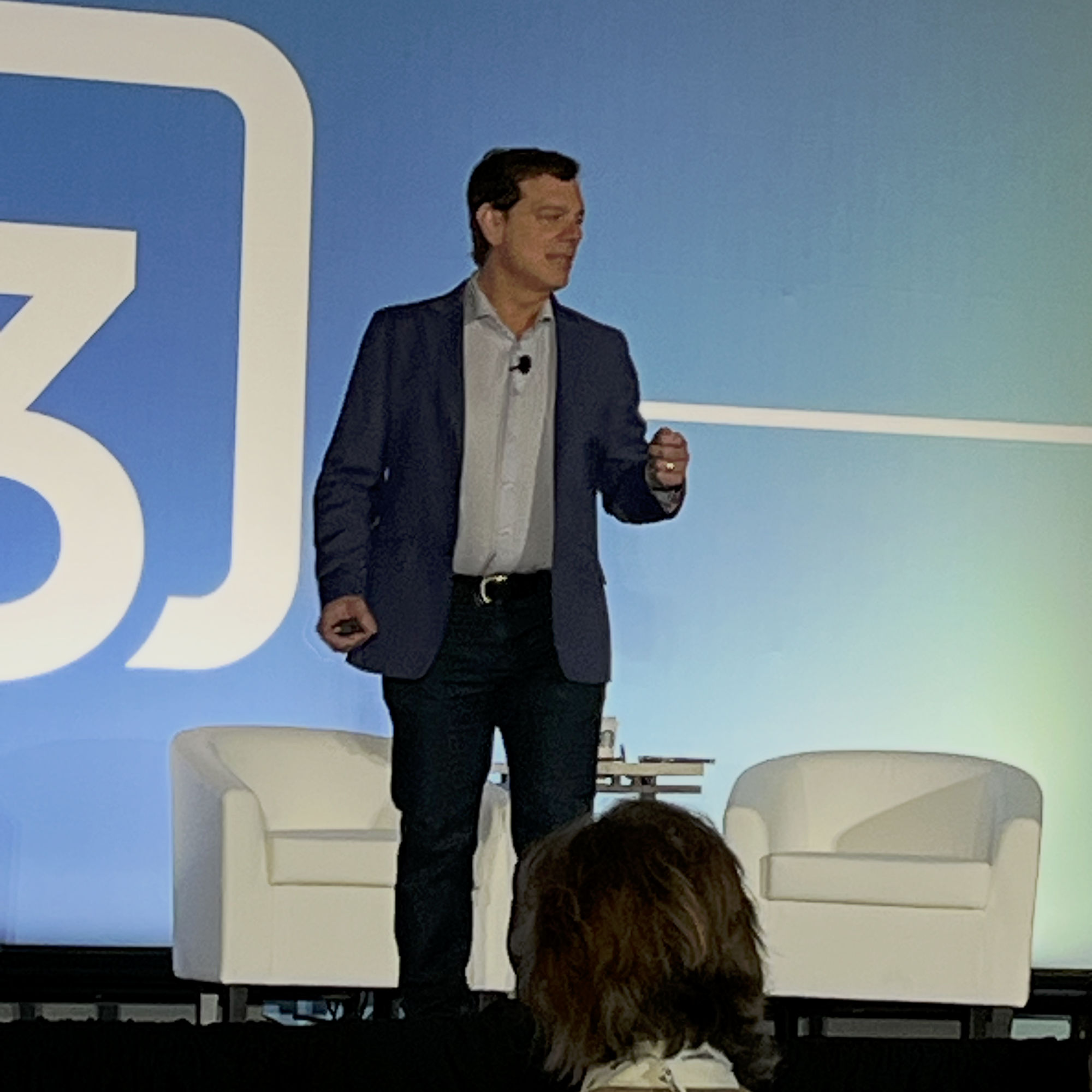
In a session titled “Are you winning or just busy?” AdvisorEngine CEO Rich Cancro and Chief Operating Officer Craig Ramsey addressed how “operational excellence” is necessary for a firm to be successful, either as a “lifestyle business” or a “growth machine.”
The executives took turns addressing the issues of what operations means; how to measure success; how firms move from reactive to proactive; how people experience a brand; what “rapid, predictable, sustainable growth” looks like; and how to attract and serve Next Gen employees and clients.
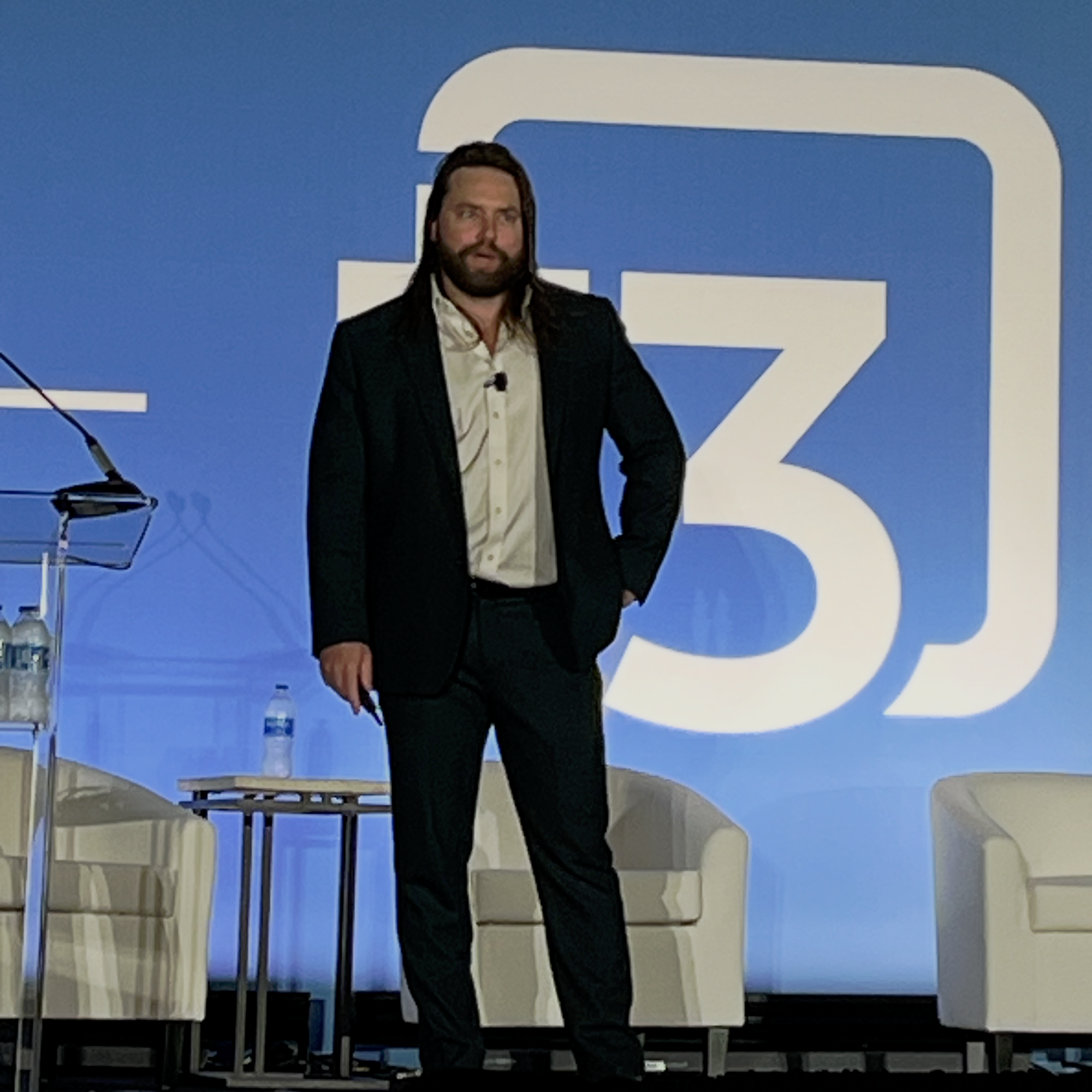
Ramsey demonstrated how tracking dashboards can be used to monitor funnels, close rates and the origin of leads.
Cancro challenged advisors to ensure that branding is carried across all touchpoints, including websites and apps, and not substituted for alternative branding such as the custodian’s brand.
Robinhood’s TradePMR Acquisition
Robb Baldwin, CEO, President and Founder of TradePMR, took the stage with Bruckenstein to explain his and Robinhood’s thinking behind the 2024 acquisition of TradePMR by Robinhood.
Baldwin explained that for many years the technology for custodians was built on one of five mainframe computers. He said that Robinhood impressed him by building a custody and clearing platform separate from the longstanding mainframes. In addition, more millennials and Gen Z are on Robinhood than all other brokerages combined, according to Baldwin.
Based on this, Baldwin said he decided that Robinhood would be the right firm with which to build a Next Gen platform. From Robinhood’s point of view, it could lose clients who were asking for help with wealth management if it didn’t find a way to provide it, he explained.
Bruckenstein asked about the referral program between Robinhood and TradePMR. Baldwin responded that it allows a Robinhood user to answer some questions, then receive three direct matches to advisors rather than firms or other intermediaries. He said this fits with Next Gen preferences.
In response to the question of what advisors should be thinking about today, Baldwin said they should be looking to scale. He emphasized marketing, giving Fisher Investments as an example of a firm that grows organically through strong marketing.
Bruckenstein then asked for a prediction of what will change in the next five years in wealth management, to which Baldwin answered that the trading system will become tokenized in the U.S., as it already has in Asia and Europe. The current system with the Depository Trust Company (DTC) at its center will disappear with its layers of relationships, making managing assets easier for advisors, Baldwin predicted.
Julius Buchanan, Editor in Chief at Wealth Solutions Report, can be reached at julius.buchanan@wealthsolutionsreport.com.