Competition for ultra-high net worth (UHNW) clients – those with at least $30 million in assets – has grown increasingly fierce, especially in the U.S., where almost 38%, or 192,470, of the world’s UHNW clients reside, according to Altrata.
It’s a relatively small but mighty group: The world’s UHNW clients collectively hold $30 trillion, or 10%, of investable assets. And this group is growing. For the first six months of the year, the number of UHNW clients in the U.S. grew 6.5% compared to the first half of 2024.
So, it’s no wonder that wealth managers, who have been struggling to generate organic growth, have been focusing on this group. RIAs have traditionally had the inside edge on this clientele through the family office model, which offers personalized, one stop service.
But the family office is facing some steep challenges. Like all advisors, family offices must embrace AI or face irrelevancy. UHNW clients are also demanding more from their offices, whether custom-made private investment products or services beyond the usual scope of advisors, including family governance, mental health, succession coaching and acquiring art. This group wants more from their advisors.
The Current Landscape
Experts say UHNW clients are demanding more integration and more institutional-grade sophistication, akin to private equity firms, from family offices.
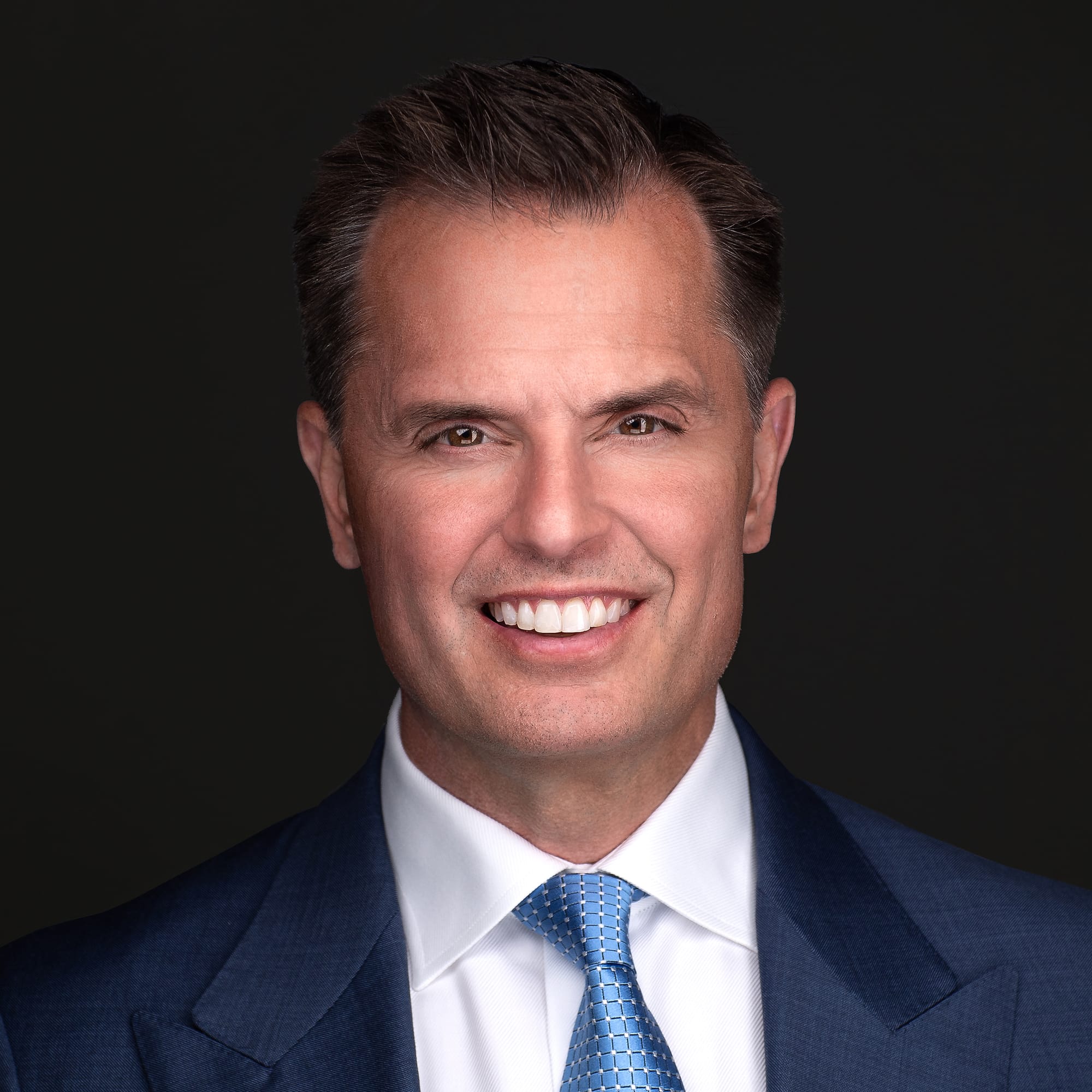
“Families are shifting from investment-only relationships to fully integrated ecosystems combining wealth strategy, private markets, philanthropy, and next-generation education,” said Rob Sechan, CEO of NewEdge Wealth. “The most pronounced trend is toward institutional-grade infrastructure that feels bespoke, where data, advice, and execution live seamlessly under one coordinated family office experience. We define this as critical services.”
Michael Shawn, Founder of Peregrine Private Client agrees.
“Families are institutionalizing — integrating real estate operating platforms, private credit arms, and tax-driven structures within consolidated ecosystems,” he said. “We’re also seeing a stronger focus on intergenerational governance, liquidity management, and the professionalization of investment committees that mirror mid-market private equity firms.”
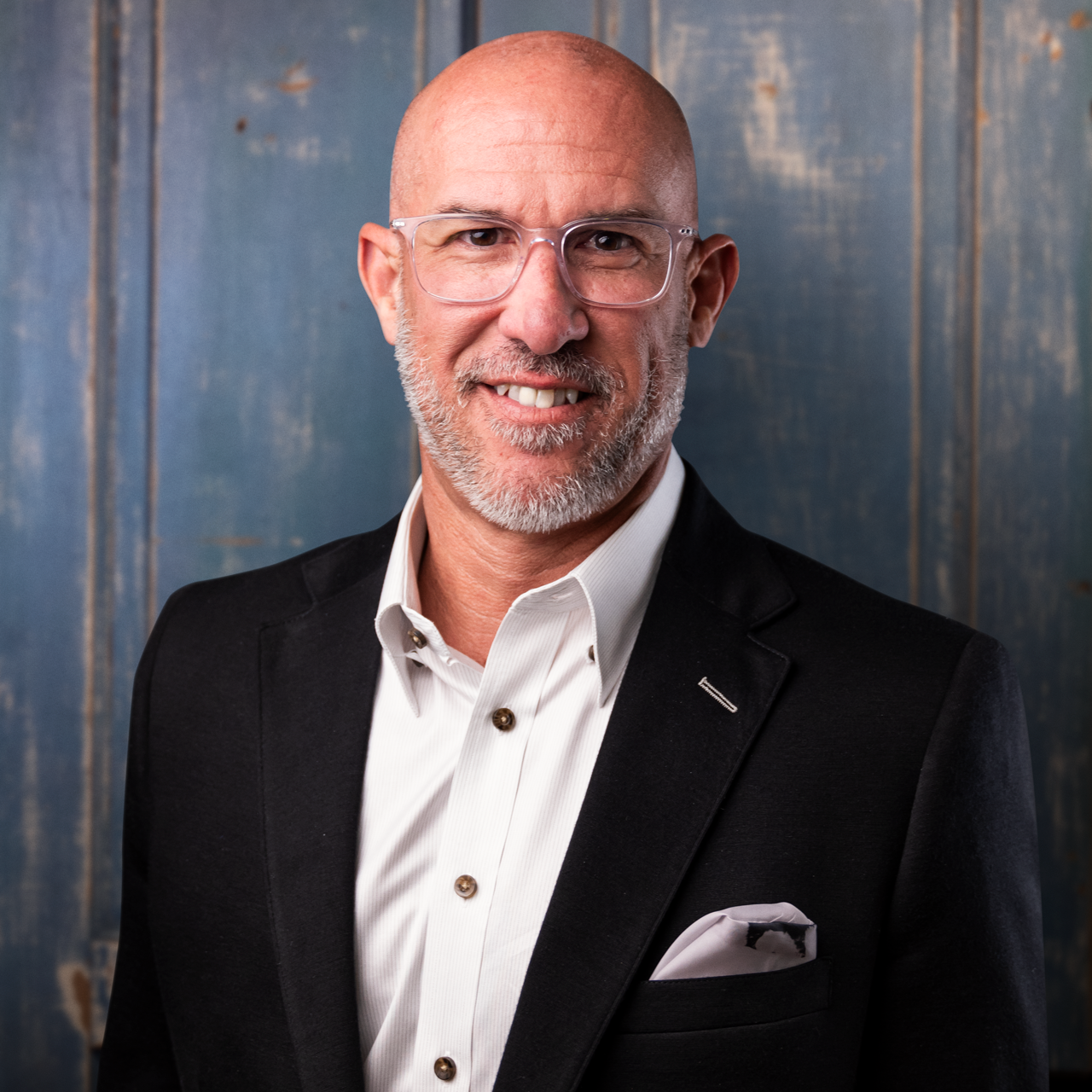
However, Scott Underwood, Founder and CEO of Socium Advisors, thinks that family offices have been slow to adapt.
“Many family offices have been around for years, serving the same clients. They haven't grown, added services, or kept up with technology,” Underwood said. “Some of these offices are only now realizing they are at risk of losing the next generation of clients because they don’t have the capital to reinvest in their businesses so they can provide the single most demanding client segment, who have the most complex needs, with the quality and sophistication of services they expect today.”
AI, AI And More AI
Like all advisors, family offices have been rushing to implement AI into their workflows and improve client experiences.
“AI-driven portfolio management and integrated data visualization are redefining reporting,” Shawn said. “Families increasingly demand real-time insight into multi-asset portfolios, including direct real estate and private credit. Cybersecurity and digital trust frameworks have become as central as performance metrics.”
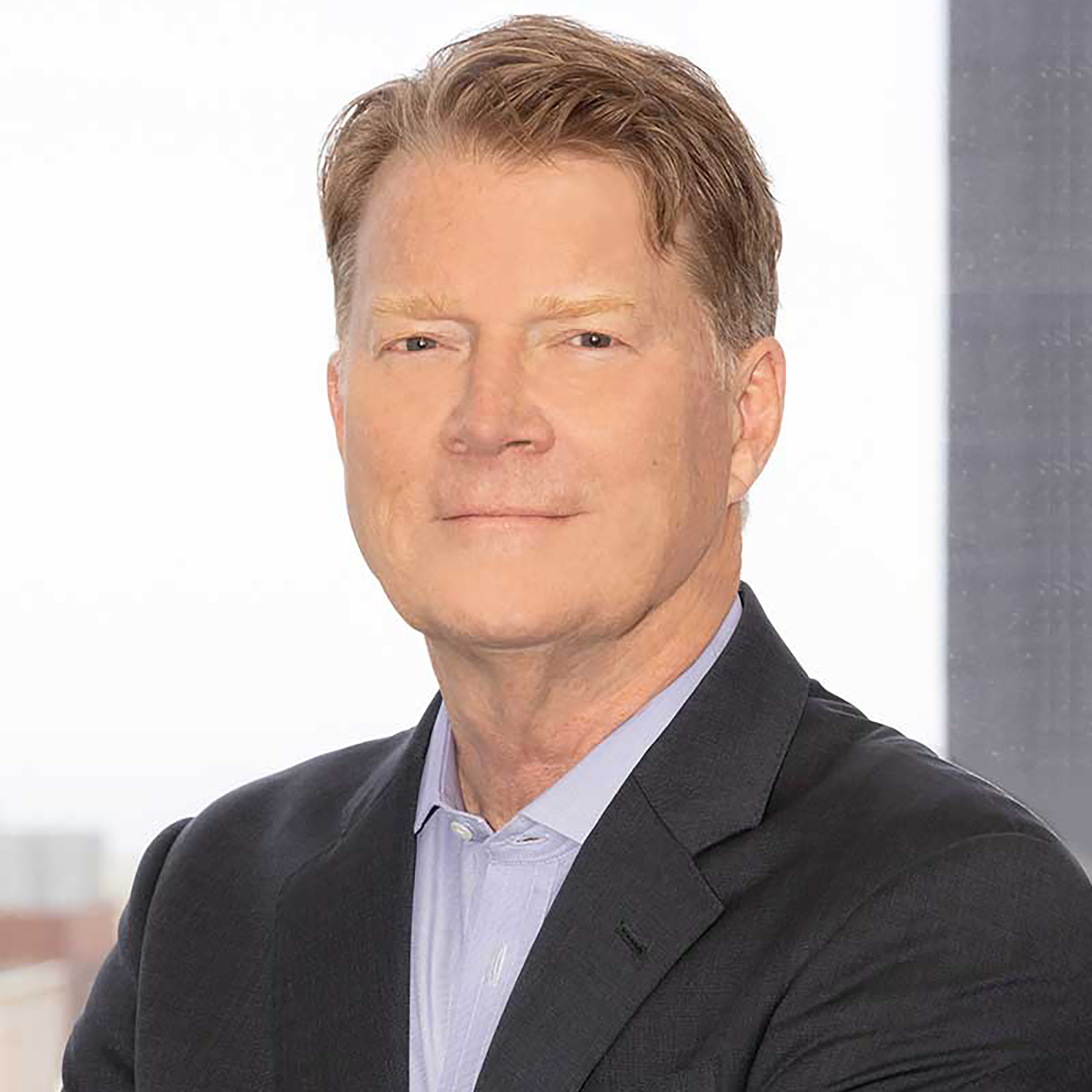
Said Jon Foster, President and CEO of Angeles Wealth: “Innovative software is transforming UHNW and multi-family office services. Real-time balance sheet reporting and AI driven estate planning analysis and optimization are innovating rapidly, driven by the VC community. Soon, real-time daily reporting on performance, total balance sheet and income/expenses will become a baseline deliverable for competing in this space.”
From Buy To Hold
Experts say that UHNW clients used to focus on accumulating wealth. But now they are taking a more holistic view of their wealth with increasing demand for tax efficiency, derisking strategies and capital preservation. Longevity and resilience are now key goals.
“Objectives are broadening from pure alpha generation to purpose-driven wealth balancing growth with impact, resilience, and legacy,” Sechan said.
Shawn agrees. “Objectives are shifting from pure return to control, optionality, and resilience,” he said. “Families want assets that generate cash flow, hedge inflation, and preserve optionality for tax, legacy, and geopolitical flexibility.”
Private Markets Dominate
UHNW clients have long pursued private opportunities through their family offices. The difference is that these clients have broadened their risk appetite across a wide range of alternative asset classes while also seeking specific themes and industries, including AI and healthcare.
“Private markets continue to dominate flows,” Sechan said. “Families are allocating more to direct and co-investments, private credit, uncorrelated strategies, infrastructure, and secondary strategies to enhance returns and control. Thematic investing around energy transition, AI & digital infrastructure, and healthcare innovation is also accelerating as clients seek asymmetric opportunities with durable themes.”
Said Jon Kennedy, Managing Director at Regis Group of Mercer Advisors: “Private equity and private credit are surging, with semi-liquid structures gaining traction.”
“We see a pivot toward direct real estate, structured credit, and co-investment vehicles with tighter governance,” Shawn said. “Families are bypassing traditional funds in favor of bespoke deals aligned with long-term thematic theses — energy transition, logistics, and data infrastructure.”
On Call 24/7?
It’s not enough to offer investment management and tax planning. UHNW clients are pushing family offices for help with non-financial issues.
“Family offices are broadening their purview, adding governance, mental wellness initiatives, succession coaching, and art advisory as part of holistic wealth health,” Sechan said. “The next generation expects integrated solutions that connect lifestyle, legacy, and liquidity management within one coordinated ecosystem.”
Foster, though, warns of “service creep,” saying that family offices may find it difficult to earn revenue from such expansion of services.
“Raising fees for family office services versus AUM basis points is difficult,” Foster said. “However, ‘service creep’ happens everyday. Families expect strong value and those in a family office model often assume the team is on call to handle every problem. Practitioners often fail to set proper boundaries, reinforcing these expectations.”
Looking Ahead To 2026
Experts predict that even UHNW clients might start to balk at the expense of a family office, especially if the market takes a dip.
“Every wealthy family loves the idea of their own family office, but most aren’t truly rich enough,” Foster said. “In the next equity bear market, families will scrutinize family office fees. Practitioners must defend their value. In a bull market, a private jet card seems like a great idea; in a bear market, first-class commercial may be good enough.”
Kennedy thinks wealthy families seeking to cut costs will pool their resources through multi-family models or seek out larger RIAs.
“We see less focus on a single-family office model,” Kennedy said. “There’s so much cost and complexity for individuals to set up their own family office, and even families with very significant wealth find a lot of appeal and benefit from the shared/multi-family office model, as well as the boutique service platform from larger fiduciary-based RIAs.”
Thomas Lee, Senior Editor and Staff Writer at Wealth Solutions Report, can be reached at thomas.lee@wealthsolutionsreport.com.