

Short and unpredictable careers can leave athletes needing to stretch early earnings over decades. Alongside taxes and cash flow, they face family obligations, pressure to spend and the psychological adjustment to sudden wealth.
College athletes also face additional questions about name, image and likeness (NIL) income, including budgeting, taxes and limited liability company (LLC) formation.
To learn more about these issues, we reached out to Jamel Gordon, a Senior Wealth Advisor at Rose Capital Advisors; Brittany Hartnett, Principal Partner and Chief Growth Officer at OpenArc Corporate Advisory; Matt LaPorta, Executive in Residence at Dynasty Financial Partners; and Ben L. Davidson, Associate Vice President and Private Wealth Advisor at Americana Partners.
We asked each of them what financial issues are most top of mind for today’s professional and collegiate athletes and what unique challenges make advising athletes different from serving other affluent clients.
Our discussion follows.
WSR: What financial issues are most top of mind for today’s professional and collegiate athletes?
Gordon: The biggest issues are taxes, cash flow and turning a relatively short and unpredictable earning window into lifelong financial independence. Athletes are increasingly aware that the money they earn today may need to support them and their families for decades after their playing careers end.

Hartnett: For college athletes, NIL income often means navigating taxes, budgeting, and even LLC formation while balancing school and high‑level competition. They’re being asked to develop financial skills much earlier than previous generations. For professional athletes, the focus is often long‑term financial security. Their earning window is relatively short, so questions quickly shift from “How much can I make?” to “How do I make this last?” and ultimately, “What legacy do I want to leave behind?”

LaPorta: For college guys it’s not really about investing yet. It’s social. You’re 18, you’re in a locker room, and you want your teammates to like you. So you’re picking up the tab at the bar, buying dinner, spending on your friends, because you’re the one with money now and there’s this guilt that comes with making more than the guy next to you. Nobody sits these kids down and warns them about that part.
Then you add family into it. Everybody needs something. And the money goes a lot faster than anyone thought it would.
The problem is in April. These kids are getting paid as 1099 contractors, so nothing’s being withheld, and a lot of them have income in multiple states without knowing what that means. So the tax bill shows up and the money’s already spent. I’ve seen it happen more than once now.
Most of it comes down to two things. Build a budget, and live like you’re 18 instead of like you’re 40.
With pro guys it turns into comparison. You’re getting dressed next to somebody with the most expensive taste in all things and you start thinking you should have that too. What you’re not thinking about is that he signed for $15 million a year and you’re making two. You’re in the same room but you’re not in the same situation at all.
Davidson: The biggest thing is that these athletes are being forced to make very adult financial decisions at a very young age. Taxes, family support, spending, investing, NIL income, agents, business opportunities — it all starts happening fast. At the professional level, the reality is that a lot of them may earn the majority of the money they will ever make before they turn 30. So the real question becomes how do we make sure that money creates freedom for the next 50 years, not just a great lifestyle for the next five?
WSR: What unique challenges make advising athletes different from serving other affluent clients?
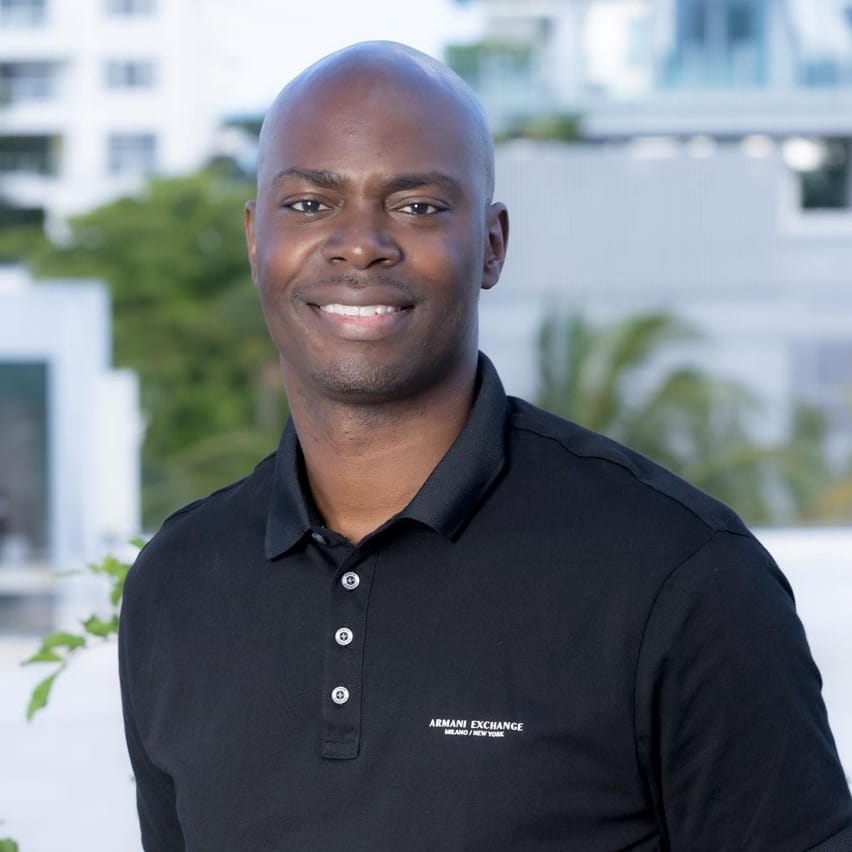
Gordon: Athletes often accumulate significant wealth at a very young age, within an extremely compressed earning window, while simultaneously dealing with taxes, family obligations, agents, endorsements and constant requests for money or investment opportunities. Unlike most affluent clients, they may have substantial wealth before they have had the life experience to learn how to protect it.
Hartnett: Athletes have a fundamentally different earning timeline. Most people build wealth gradually over decades. Athletes often earn the bulk of their income before age 35.
That compressed earning window makes planning more urgent and education more important. Helping a 22‑year‑old think about retirement and legacy requires a very different conversation.
LaPorta: Math, mostly. Your typical affluent client is 40 to 60. They built it over 30 years, they have consistent cash flow, and they’ve had three decades to get comfortable with what they have. An athlete makes the majority of his money before 30. He accumulates over six years and has to make it last 50.
Then there’s the adjustment. You go from nothing to millions almost overnight. Most guys don’t have an accurate read on what they actually have — some think it’s more, some think it’s less, and both are dangerous. The psychology is different from any other client an advisor will sit across from.
And the part nobody says out loud: The money isn’t just his. There’s a mom, a dad, cousins and guys he grew up with. He feels obligated. That pressure is real and it doesn’t show up on a balance sheet. If an advisor can’t have that conversation, he’s not really advising the athlete.

Davidson: The biggest difference is that everything happens faster. Most wealthy families build their wealth over decades; an athlete may build most of theirs in five or 10 years, with no guarantee of how long the income lasts. They are also surrounded by more opportunities, more people asking for money and more pressure to maintain a certain lifestyle. And when the career ends, you are not just dealing with a financial transition, you are also dealing with a major identity transition too. That becomes so psychological.
Jeff Berman, Contributing Editor and Reporter at Wealth Solutions Report, can be reached at jeff.berman@wealthsolutionsreport.com.


