Proper team structure is critical to sustainably drive company growth, and the right structure design depends on whether that growth is organic or inorganic.
A CEO’s role is critical, as the leader must create and communicate a vision, but the skill sets to make that vision a reality are different depending on the type of growth, say experts.
When it comes to organic growth, a CEO should create a team structure focusing on systematized growth strategies that align marketing, sales and client service to deliver consistent value and generating organic expansion.

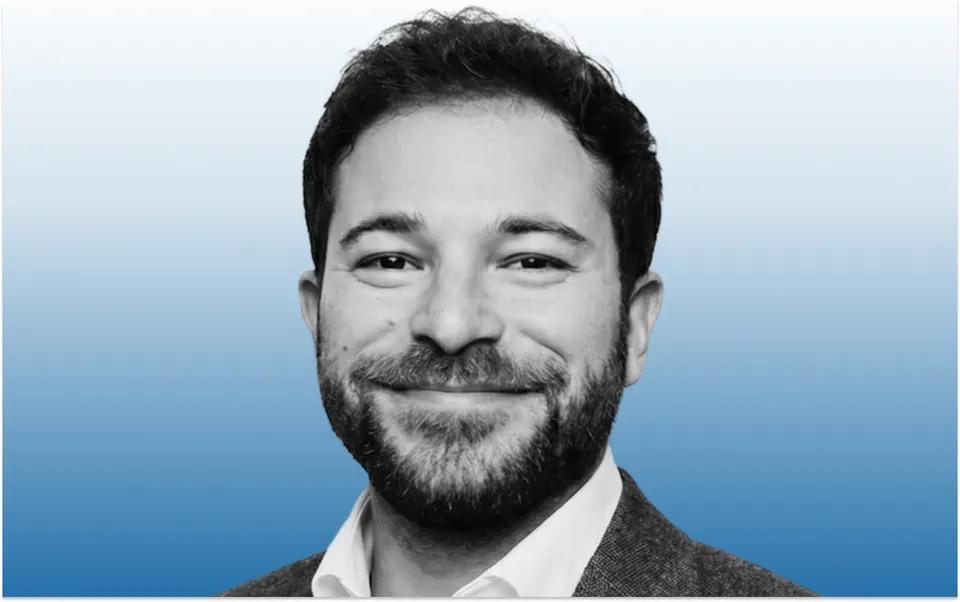
Paul Saganey, Founder and CEO of Integrated Partners, says CEOs that seek to expand their company through mergers and acquisitions need a completely different team structure than those growing organically.
“Inorganic growth demands different DNA entirely,” he says.
Saganey says to successfully integrate an acquisition, a team needs to include a deal architect with M&A experience, an integration specialist, a financial analyst who understands valuation beyond spreadsheets and a transition project manager.
“The fatal flaw? Assuming your organic growth team can simply ‘add’ acquisitions. These are distinct skill sets requiring dedicated focus,” he says.
Saganey and five other experts gave WSR their views on team structure, the role a CEO plays and the resources needed for successful company growth, whether it’s organic or inorganic.
Marketing, Client Service Key To Organic Growth
David Christian, Chief Growth Officer of Coldstream, says organic client growth should primarily come through introductions from existing clients, “who have become dedicated fans due to receiving a remarkable value proposition.”

The best teams to lead organic growth offer a mix of client service and business development, suggests Ryan Marcus, Chief Business and Engagement Officer of Binah Capital Group.
Michael Longley, Chief Growth Officer of Sanctuary Wealth, concurs, saying there are three types of people who should work closely together: a rainmaker, a disciplined pipeline manager and someone who delivers exceptional service.
“We see this structure repeatedly drive results across Sanctuary’s platform because it creates a predictable, repeatable growth rhythm instead of relying on sporadic bursts of activity,” he says.
When it comes to inorganic growth, aside from having team members experienced with acquisitions, a key area that sometimes gets overlooked or de-emphasized is integration and transition support.
Longley explains that companies need a dedicated team member to source and validate candidates and another in charge of due diligence and the transition process. These team members need strong operational support to be successful.

John Wernz, Partner, Strategic Advisor at Mission Wealth, and Executive in Residence at Great Hill Partners, says as the integration process evolves, it’s important to focus on developing relationships and on the process specifics.
“You’ll often see many firms cut corners on transition support,” he says, adding that transition support “needs to be ready to ensure both clients, and the incoming team, are well cared for.”
The CEO’s Role In Company Growth
Whether a firm is growing organically or through M&A, the CEO’s role is to provide a vision and to define corporate culture.
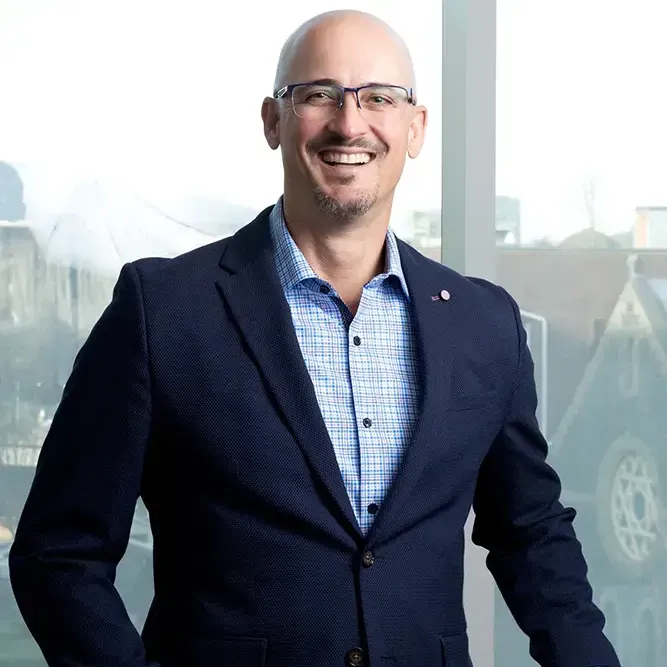
To organically grow a company, Christian says the CEO must guide the framework for increasing their advisor’s skills, including technical skills, emotional intelligence and leadership voice, as well as set a tone of accountability.
Empowering advisors with training and resources, offering incentives to employees to innovate and explore opportunities, investing in the right talent and aligning roles to encourage growth all help to build trust and confidence, the experts say.
“Organic growth isn’t an outcome; it’s an operating decision,” Longley says.
Wernz agrees. The CEO must build a foundation first and then try to improve upon that base through return on investment. “They should request a deductive plan with staged investments that supports growing results,” he says.
Kevin Fitzwilson, CEO of Coldstream, says when it comes specifically to inorganic growth, a CEO’s vision and culture matter from the earliest stage of the process.
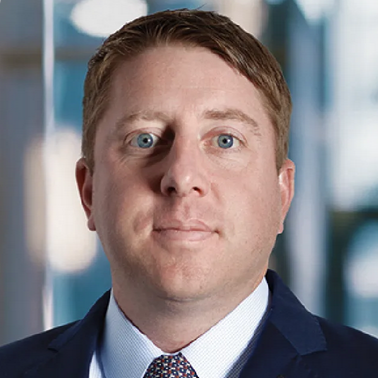
“The CEO needs to support the corporate development team (by) sharing the company’s vision/direction. In addition, the CEO should help evaluate cultural alignment with merger partners,” he says.
Cultural fit matters more than AUM in an acquisition, say Saganey and Longley, and culture is the primary reason why an acquisition accelerates growth or sets it back years.
“Remember: you’re not buying businesses; you’re inviting people into your story,” Saganey says.
Consider Investments In Technology, Industry Research
To scale a business organically, a strong technology stack is required, Wernz says. “You can start down and dirty with spreadsheets and manual processes. But once you start to scale, inefficiency will creep in,” he says.
The experts say investments in technology such as customer relationship management (CRM) software, marketing automation, planning tools and client portals are a must for operational efficiency. As a company invests in its tech stack, Longley says align your marketing and content.
He says prospects form impressions long before their first meeting, and companies create that initial impression through digital branding and relevant content. Saganey agrees, adding that advisors need to stay on top of changes in their target market as well.
Christian advocates investing in a business development budget to support outreach activities with clients, prospects and centers of influence.
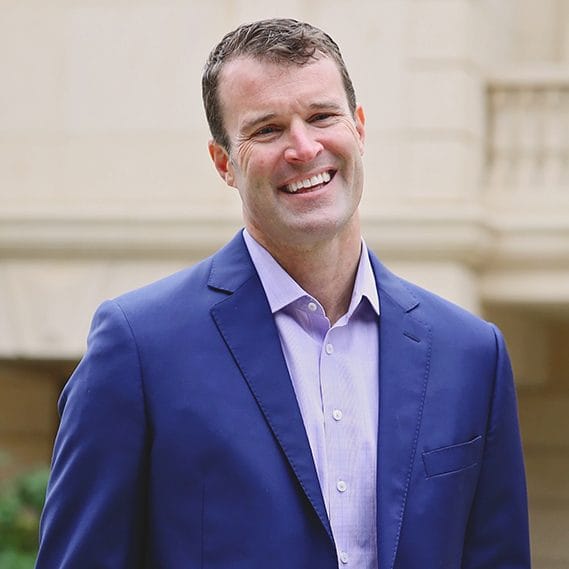
Companies seeking to scale through M&A need to properly invest in both people and the business, says Fitzwilson.
“Doing so will enhance the success both of the identification of aligned potential merger partners and of a successful integration,” he says.
That means investing in market intelligence, such as databases, having robust legal and financial resources to pursue acquisitions.
Longley points out that inorganic growth is a resource-heavy strategy. “You need the capital to structure competitive deals, the people to manage transitions, and the operational capacity to onboard new partners without disrupting the core business,” he says.
Saganey reiterates that CEOs must consider what they need both on the legal and compliance side and spend time creating integration playbooks and change-management training. He also encourages CEOs to build a budget for cultural activities that blend teams and create an honest post-mortem process.
Create “a ‘failure fund’ that acknowledges not every acquisition succeeds,” he says. CEOs should give themselves permission to walk away as that “preserves more value than forcing poor fits,” he says.
Debbie Carlson, Contributing Editor at Wealth Solutions Report, can be reached at ContributingEd@wealthsolutionsreport.com.