

The number of IPOs is on the rise, leaving many employees suddenly wealthy with company stock and other forms of equity compensation. Advisors serving clients with this form of sudden wealth are entering a world where wealth is bound together with the employer’s equity, causing concentration risk, tax issues, lockups and other complexities.
To learn more about how advisors can guide clients through these issues, Wealth Solutions Report spoke with Raj Doshi, President and COO of April; Toby Wade, Founder and CEO of DeepVest; and Mitchell Bratina, Co-Founder and CEO of FinTurk.
We asked each of them if specialized technology can assist advisors as they guide their clients through the complexities of concentrated stock, equity compensation, tax planning and related issues
Their responses follow.
Raj Doshi, President And COO, April

As IPO activity increases, more advisors are helping clients navigate concentrated stock positions, equity compensation and liquidity events. These are major financial events for which tax is one of the most important considerations. AI planning tools are a reasonable place to start to assess the directional impact of these decisions, but a licensed tax engine is required to deliver personalized, precise implications when evaluating the sale of a concentrated stock position.
To deliver comprehensive guidance, advisors need technology that delivers tax planning, tax data and tax filing on a single platform. That allows them to understand a client’s full financial picture, model different scenarios with precision and ultimately make more personalized and optimized recommendations. A single platform also drives massive efficiency because the data and insights generated during planning can carry through to filing (and vice versa).
As advisors build more holistic relationships with clients, tax should be a foundational part of every major financial decision rather than something that is calculated after the fact. Technology that delivers a proactive approach to tax will become increasingly critical as clients face high-stakes decisions such as optimizing liquidity events and planning for retirement.
Toby Wade, Founder And CEO, DeepVest
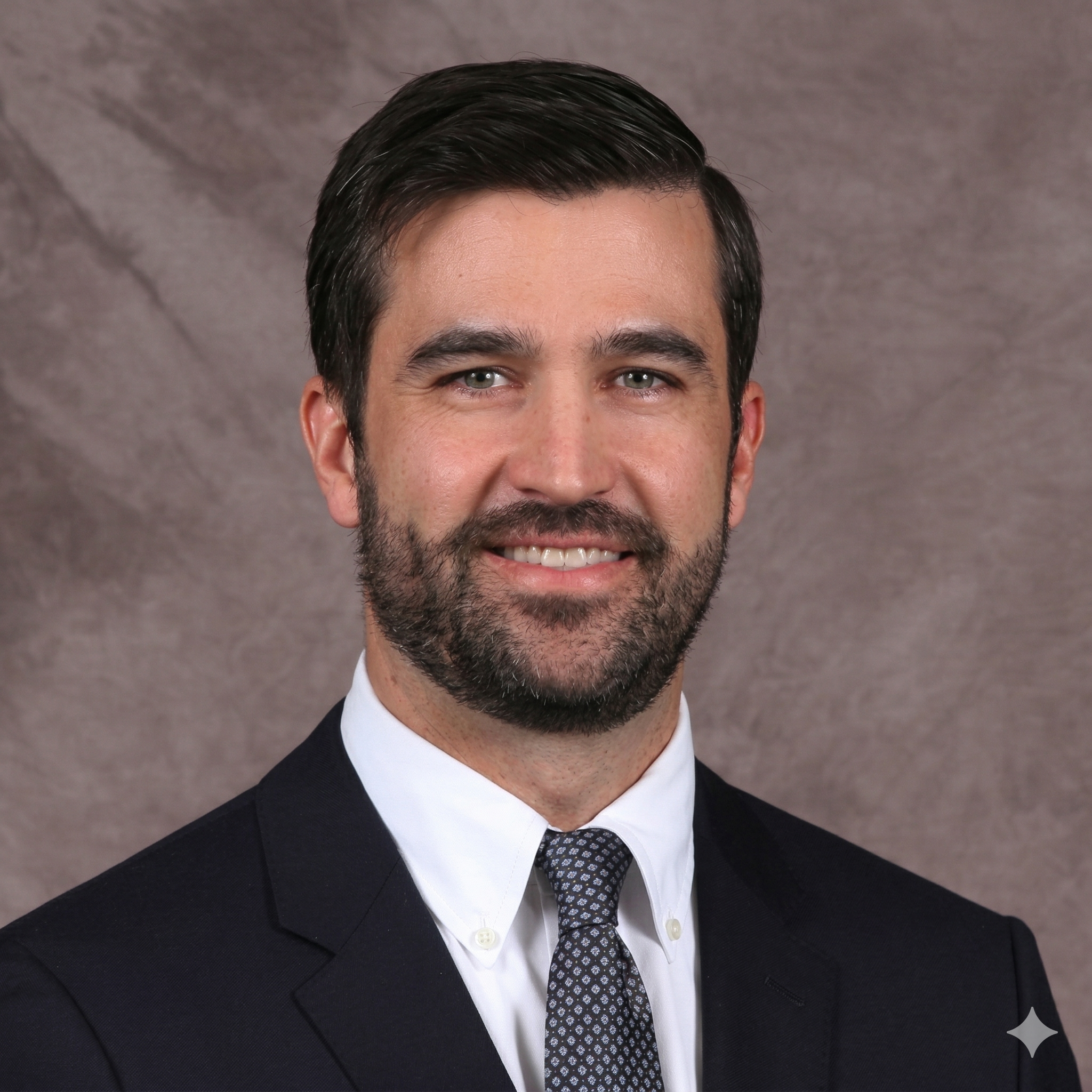
The traditional advisor toolkit was built for diversified portfolios, not the concentrated risk and time sensitivity that come with IPOs and equity compensation events.
When a client holds a significant percentage of their net worth in pre-IPO stock with a lockup expiration in 90 days, the advisor needs fast, accurate analysis. Manual portfolio reviews take hours. Spreadsheets break when you add options, restricted stock units (RSUs) and tax scenarios. General-purpose AI tools hallucinate financial data or misunderstand cost basis rules.
Specialized technology solves three core problems. First, it quantifies concentration risk in plain language clients can understand. Second, it models downside scenarios and correlations that matter when a single position dominates the portfolio. Third, it handles the suitability complexity that comes with equity compensation structures, especially when tax timing and liquidity constraints overlap.
The IPO wave creates urgency. Advisors who can move faster and explain risk more clearly will win these relationships. But speed without accuracy is dangerous. The right technology doesn’t replace advisor judgment. It removes the friction between data and insight, so advisors can focus on what matters: helping clients make informed decisions under pressure.
Mitchell Bratina, Co-Founder And CEO, FinTurk

A wave of mega-IPOs, particularly in AI, is creating newly liquid millionaires almost overnight, and many of them are technical employees who understand exactly what modern technology can do. To this cohort, an advisor who shuns those tools reads as a red flag. Fairly or not, they project that reluctance onto the advisor’s competence as a financial professional.
These clients also arrive with genuinely complex, individualized situations: concentrated stock positions, layered equity compensation, vesting schedules and multi-year tax planning. Serving them well requires either specialized platforms or a highly customizable CRM that can track those variables and trigger the right actions at the right moments.
Just as important is capacity. This will cause a surge of potential clients. Advisors without workflows and automation built to handle these scenarios efficiently will hit a bandwidth ceiling and simply miss opportunities that better-equipped firms will win. Capable technology isn’t just about a polished client experience; it’s what allows a firm to capture this moment rather than get passed by.
The firms that win this generation of clients will be the ones whose technology signals sophistication and delivers it.
Jeff Berman, Contributing Editor and Reporter at Wealth Solutions Report, can be reached at jeff.berman@wealthsolutionsreport.com.


