

When a group of advisors from Ameriprise decided to launch their own firm, they didn’t do so lightly.
The group took a deliberate, methodical approach to defining the business they wanted to create, an independent RIA now called Seven Bridges Wealth Advisors.
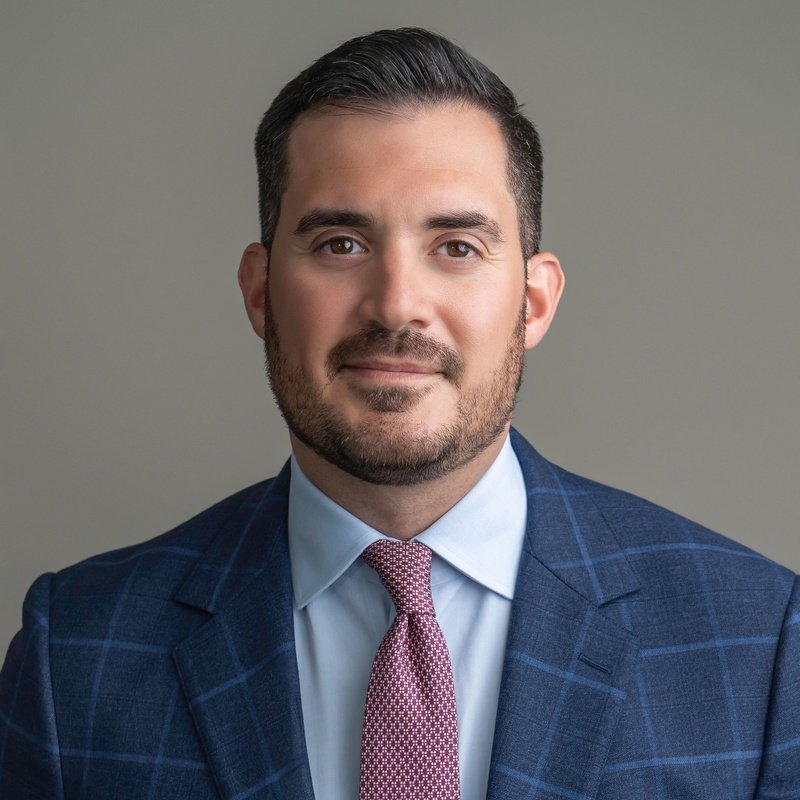
“We transformed what could have felt like a leap of faith into a clearly structured process,” said Joseph Femia, Managing Partner of Seven Bridges, now affiliated with NewEdge Capital. “From technology and branding to investment philosophy, each step was sequenced thoughtfully.”
“We’re approaching $1 billion in assets with a clear roadmap toward $3 billion by 2030, alongside plans to expand into tax advisory and broader definitions of client wellness,” Femia said. “Our focus remains on building an aligned, collaborative firm where advisors can do their best work within a shared vision.”
For decades, advisors have been leaving big wirehouse firms in waves to launch independent practices. The underlying reason has long been straightforward: Advisors want the freedom to make their own decisions rather than adhere to the mandates of a large bureaucracy.
Today, that motivation still holds true — but with an important shift. Advisors are pursuing independence with far greater strategic intent and sophistication, industry experts say. Rather than chasing a vague sense of freedom, many are focused on building durable businesses with long-term value — enterprises they can scale, monetize and ultimately transition on their own terms.
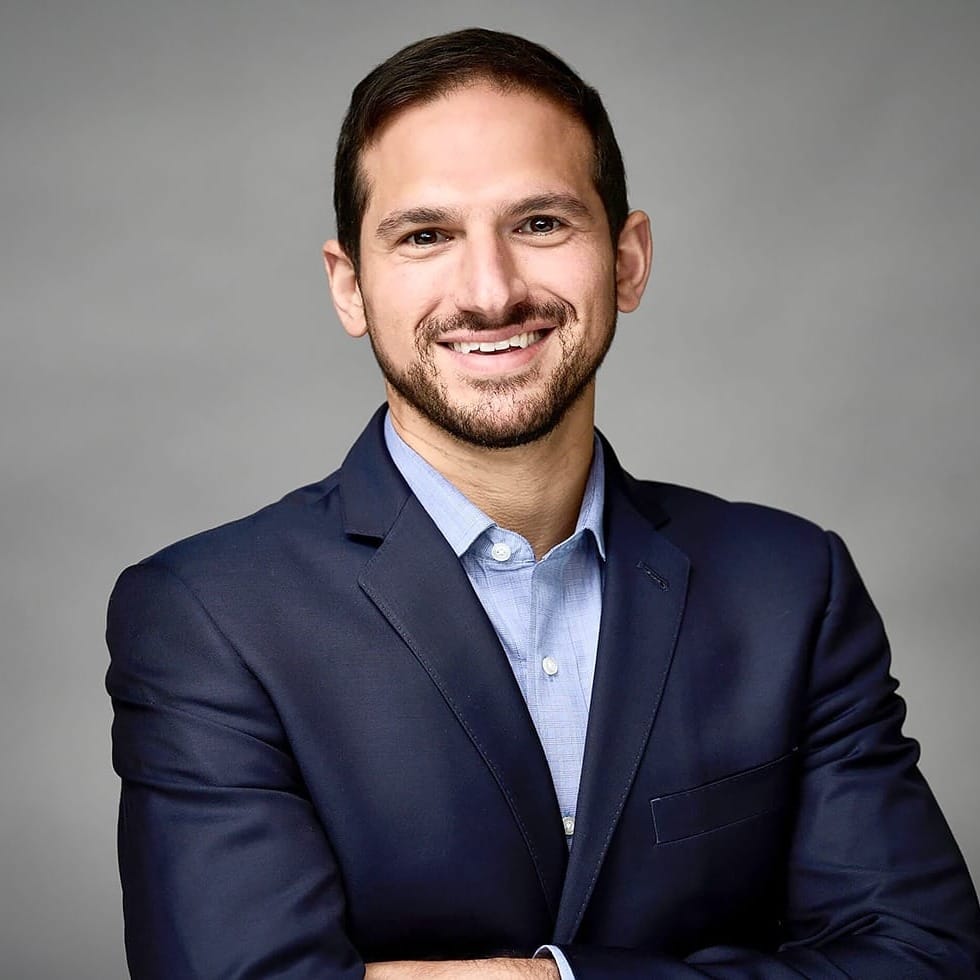
“Ownership, flexibility, and economics still matter, but the motivation has evolved,” said Louis Diamond, CEO of Diamond Consultants. “Today, many breakaways are thinking less like employees and more like business owners. A major driver is the desire to build real enterprise value they can monetize on their own terms, especially given the significant run-up in RIA valuations.”
External Forces Reshape The Opportunity
That shift is being accelerated by powerful external forces. The industry is in the midst of an unprecedented generational transfer of wealth, with more than $100 trillion expected to pass to heirs over the next two decades. The scale of that transition is expected to drive demand for comprehensive advice and deepen client relationships — creating a significant growth opportunity for advisors positioned to capture it.
Investors have taken notice. Wealth management M&A has reached unprecedented levels, with a record 466 transactions in 2025 (up 27% year over year), marking the most active year on record, according to Echelon Partners.
Whether through organic growth, new client acquisition or the prospect of an eventual sale, these opportunities are prompting more advisors to pursue independence.
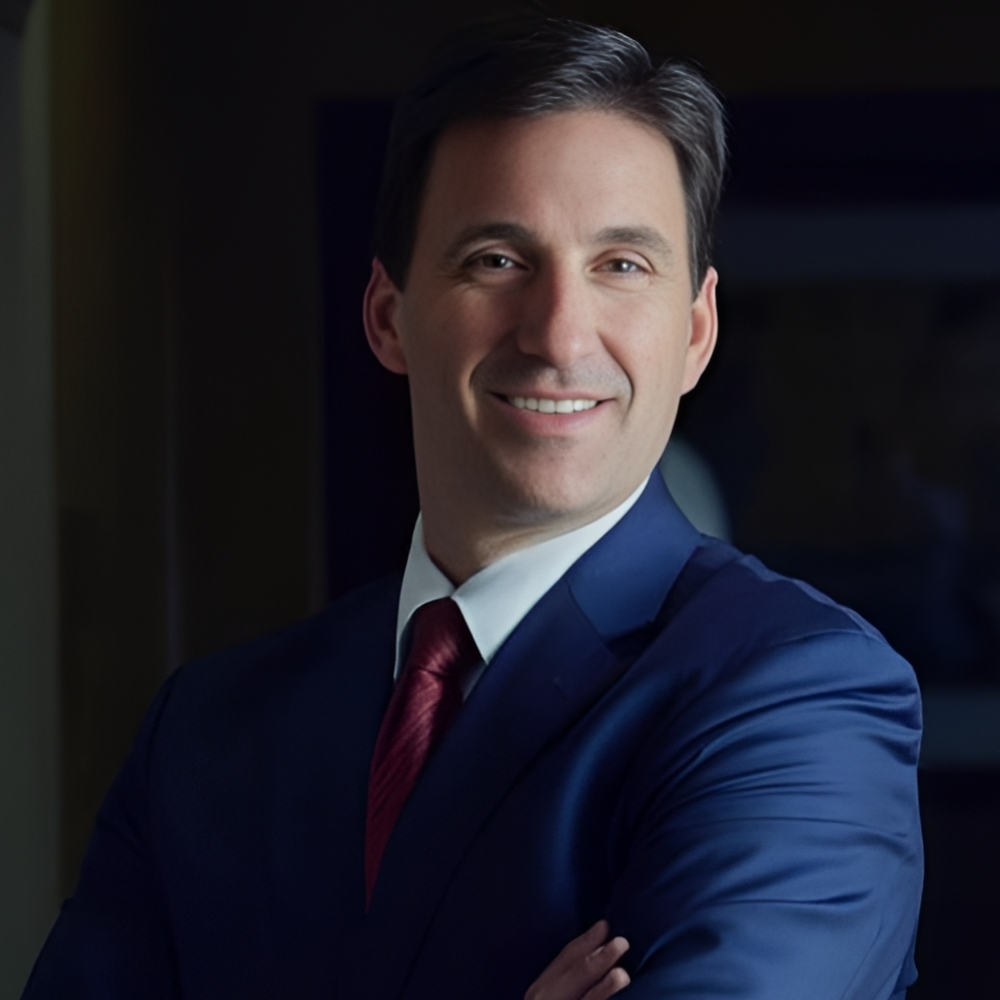
From 2020 through 2024, the RIA channel gained a net 8,739 advisors, while the wirehouse channel experienced a net loss of 8,303 advisors, according to a report by Elite Consulting Partners. The report also said that recent estimates indicate RIAs had a net gain of more than 17,000 advisors in 2025, while wirehouses continued to see net declines.
“Financial advisors are not simply moving firms—they are rethinking the economics of their careers,” said Frank LaRosa, CEO of Elite Consulting Partners. “For many advisors, the question is no longer just ‘What recruiting deal can I get?’ The real question is ‘Where can I build enterprise value and control my exit?’”
Execution Matters More Than Ever
Still, independence is not without its challenges. Ultra-high net worth clients are not quick to entrust their assets to just any advisory practice, particularly when wirehouses continue to benefit from scale, brand recognition and deep resources. Likewise, potential buyers are becoming increasingly selective, rewarding firms with clear strategy, infrastructure and growth potential.
That reality is shaping how advisors approach the transition.
Seven Bridges made sure to hit the ground running. The firm built a shared infrastructure designed to support advisors while allowing them to focus on client relationships and growth.
“What we’ve built is a shared foundation that advisors can step into quickly,” Femia said. “Instead of personally managing every operational detail, our advisors work within a team that has defined roles across each facet of the business—insurance planning, trading and rebalancing and pre- and post-meeting support. That structure allows them to focus on what matters most: clients, relationships, and thoughtful growth—often reigniting the passion that brought them into the profession.”
Technology As A Strategic Foundation
Technology is playing an increasingly central role in enabling that vision.

Robert Coppola, Chief Technology Officer at Sanctuary Wealth, said he is seeing firsthand how advisors are bringing greater intention and sophistication to the independent model. While advisors are not necessarily technologists, they are thinking more deeply about how infrastructure supports long-term growth.
“Technology due diligence has become less about individual tools and more about whether a firm offers a durable operating model,” Coppola said. “Advisors are no longer asking, ‘Do you have a CRM?’ They are asking whether the technology foundation can support a real business as it grows in size, complexity, and regulatory scrutiny.”
That forward-looking mindset reflects a broader change in how advisors evaluate independence.
“Advisors are thinking beyond the initial transition and asking what the business will look like five or ten years out,” Coppola said. “Technology is evaluated based on whether it reduces operational drag, standardizes the essentials, and creates leverage as the firm grows.”
An Ecosystem Built For Independence
Another factor contributing to this increased sophistication is the expanding ecosystem of support available to breakaway advisors.
“Experienced partners are available to guide decisions and remove friction along the way,” Femia said.
Diamond agreed, noting that advisors no longer need to build entirely from scratch.
“More advisors are recognizing that joining the right platform or partner can create a result where 1+1=4,” he said, “meaning greater enterprise value, broader capabilities, stronger infrastructure, and a better long-term growth trajectory than they could likely achieve on their own.”
For advisors seeking both independence and support, that middle ground has become increasingly attractive.
“If they want much of that control but prefer substantial support, a fully supported RIA platform can be attractive,” Diamond said. “It allows them to operate with independence while outsourcing key functions like compliance, technology, and operational infrastructure.”
As the industry continues to evolve, the momentum behind independence shows little sign of slowing. What was once considered a leap of faith has become, for many advisors, a calculated step toward long-term control, scalability, and value creation.
At the same time, the nature of the decision itself is changing. Advisors are no longer simply choosing between firms — they are defining the kind of business they want to build and how they ultimately want to exit it.
In that context, independence is less about breaking away and more about building toward something — an enterprise designed to grow, adapt, and endure beyond any single advisor.
Thomas Lee, Senior Editor and Staff Writer, can be reached at thomas.lee@wealthsolutionsreport.com.


