

When Kevin Beard was a child, his parents did something relatively rare for African American parents. They spoke of money as a tool to accumulate wealth — not just to pay the bills or open a savings account — but to invest in Wall Street.

“I was truly blessed that my parents took the time to understand financial planning as more than merely saving for college and retirement,” Beard said. “My parents are the ones who helped me understand the stock market, which is what began my interest in wealth management.”
His parents’ guidance prompted Beard, now the Chief Strategy Officer for WealthVest, to pursue a career as a financial advisor. Unfortunately, Beard is one of just a small number of Black Americans working in wealth management, never mind as a top executive. It’s a nagging problem that experts say hurts the industry’s ability to attract more clients and generate organic sales.
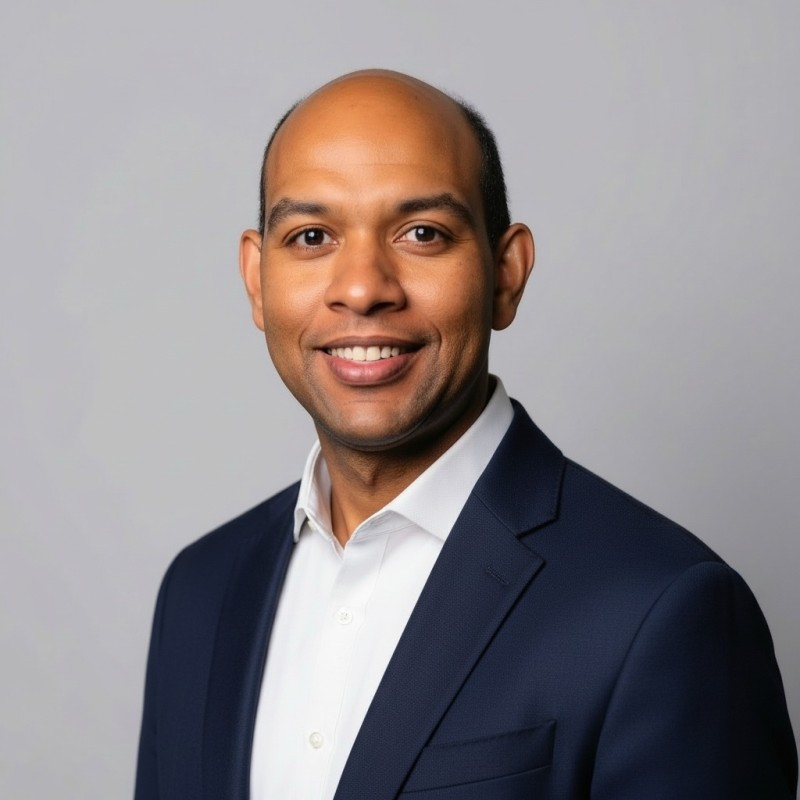
Beard’s atypical childhood underscores a deeper paradox facing the wealth industry: It is trying to recruit more Black professionals into a field built around managing the kind of wealth that America has historically denied Black Americans the opportunity to accumulate. Expanding representation, experts say, requires not only better recruiting — but broader belief and access to wealth creation itself.
“Firms don’t plant the seed of this career path at younger ages,” said K. Orian Williams, Senior Field Director, Strategic Accounts at Pacific Life. “Put financial planning and wealth management education into minority middle and high schools.”
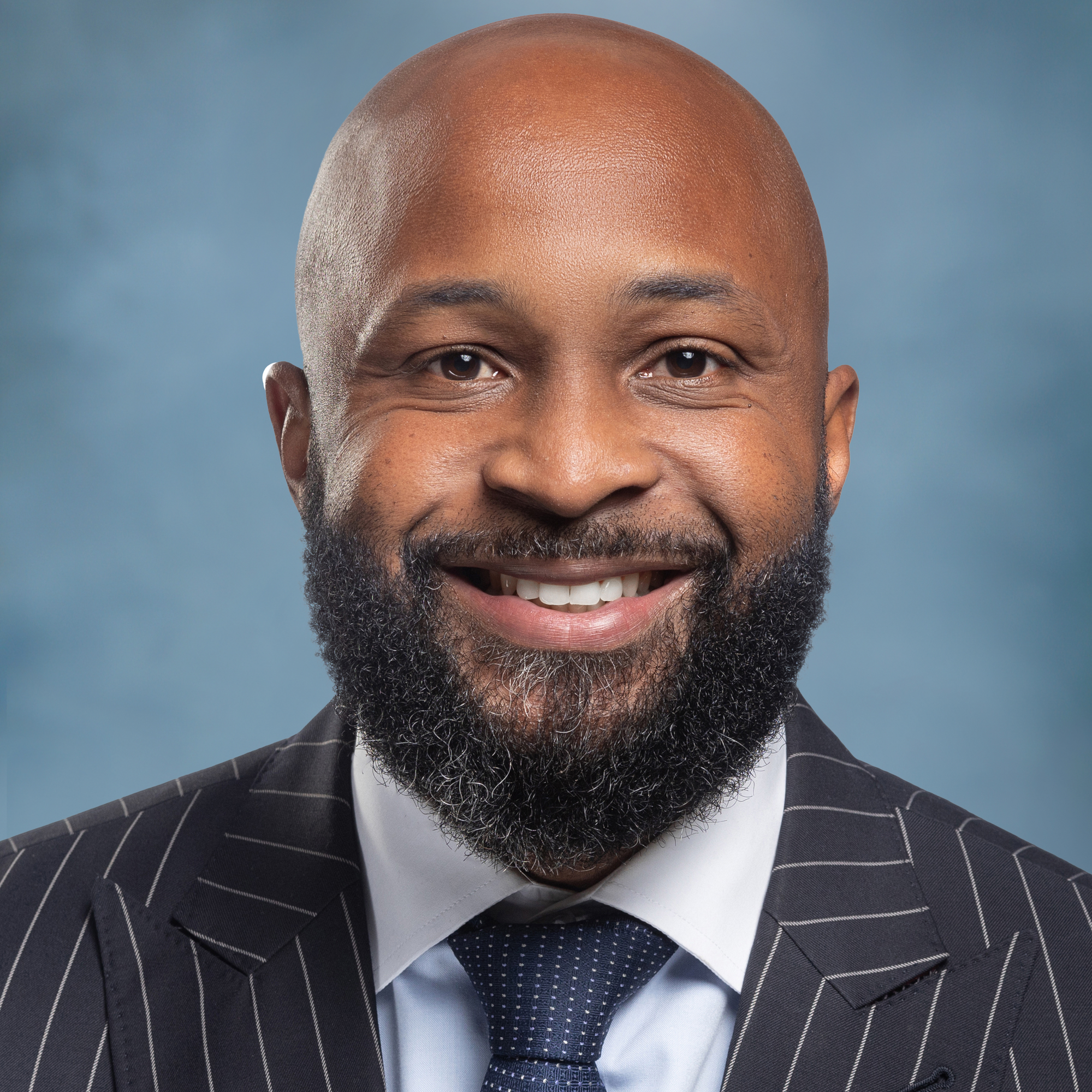
However, a career in wealth management might not seem practical to a demographic that has traditionally struggled to generate any, especially when compared to white Americans.
In 2021, Black households accounted for 13.6% of all U.S. households but held only 4.7% of all wealth, according to U.S. Census data. By contrast, white households made up 65.3% of all U.S. households and held 80% of all wealth.
About 1 in 5 white households had wealth over $1 million versus 1 in 20 Black households. Just under 1 in 4 Black households and 1 in 12 white households had zero or negative wealth.
Furthermore, white households were almost twice as likely as Black households to own stocks and mutual funds. And by median account values, white household investment accounts were 6.4 times larger than Black household accounts ($44,500 vs. $7,000).
Flooding The Talent Pipeline

So it’s not surprising that the wealth management industry is overwhelmingly white. In 2021, 5.6% of U.S. advisors were Black compared to more than 72.2% who were white, according to Janus Henderson Investors.
Like any representation problem, the challenge is how to deepen the talent pool.
“Firms should concentrate on both college students and mid-career professionals,” said Robin Patin, Senior Director of Wealth Management at Choreo. “The average wealth manager enters this field in their late 30s. If the industry makes college students aware of this profession, there could be a younger pipeline.”
Said Alex David President and CEO of Equity Services: “Mid-career professionals have been especially successful—particularly teachers and military veterans. They tend to be disciplined, mission-driven, accustomed to delayed gratification, and financially prudent—critical traits when building a practice. Their sense of purpose and resilience translates well to long-term advisory success.”
Edward N. Walters, President of World Investment Advisors, said firms should ultimately adopt a multi-pronged recruiting strategy that covers multiple age groups.
“In the early years, we should introduce K–12 financial education, advisor classroom visits, money basics curriculums, investment clubs and high school internships so diverse students can see themselves represented in finance,” Walters said.

“In the later years, we should offer paid internships and structured programs for recent graduates and mid-career changers entering wealth management,” he continued. “Target professionals from adjacent fields—such as banking, teaching, military, and sales—who bring relationship skills and community trust.”
Newer technologies like AI could help, experts say.
“AI can help identify non-traditional candidate profiles, reduce bias in resume screening, flag attrition risks, and personalize training and mentorship pathways,” David said. “Used responsibly, it allows diversity teams to scale recruitment and retention efforts with greater precision and consistency.”
Success Begets Success
However, firms need to do more to accelerate the financial success of Black advisors already working. It’s easier to encourage Black Americans to pursue such careers if they can see people who look like them earn significant compensation, experts say.
In other words, African Americans need to see that success in the wealth management business is realistic and not some pipe dream. And that means paid internships, attractive salaries instead of commissions and more opportunities to pursue high net worth clients (HNW).
“When I was starting my career as an advisor, I didn’t have exposure to HNW circles,” Beard said. “African Americans make up 12% of adults in the U.S., but account for only 7% of affluent households earning $125,000, and even fewer of households earning $250,000 or more. Since African American advisors don’t have as much exposure to HNW communities, this leads to advisor attrition.”
Said Patin: “I’ve seen some talented Black advisors leave the field because they were not getting the mentorship or opportunities that their colleagues were getting.”
Unfortunately, many advisory firms have rolled back their diversity programs due to President Trump’s attacks on corporate and academic diversity, equity and inclusion (DEI) initiatives.
“I’ll say there was a noticeable pullback on support for programs that can provide a sense of community and a pipeline for the next generation of our industry,” Williams of Pacific Life said. “Clients are diverse and it has to be remembered that the goal is to build multi-decade relationships with these clients and their families.”
But others remain hopeful.
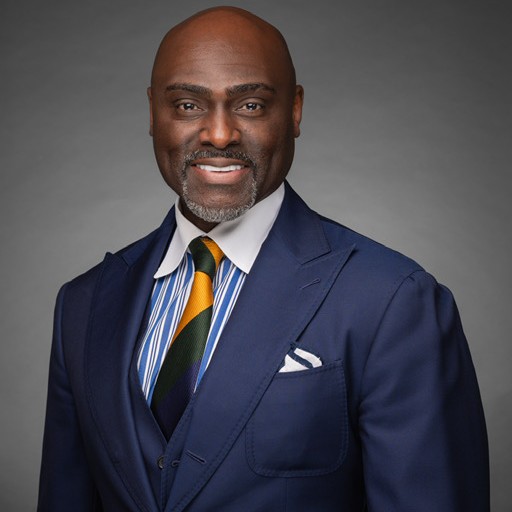
“Firms whose commitments were largely performative used the backlash as a reason to retreat,” David said. “Firms with genuine, long-standing commitments may have adjusted language but not intent—often doubling down on the work. The difference is evident in outcomes, retention, and leadership representation.”
Said Beard: “I see HNW households and clients growing in minority communities today. I believe there is no end to what new innovation, entrepreneurship, and growth can look like when equal opportunity is achieved in the recruiting process.”
“Times are changing,” he continued. “As an analogy, I think of my children, who have only known three presidents. They have seen an African American in office and have seen women run for office and almost win. My children's experience is a stark contrast when compared to my childhood experience of who could become president.”
Thomas Lee is Senior Editor and Staff Writer at Wealth Solutions Report. He can be reached at thomas.lee@wealthsolutionsreport.com.


