

At many RIAs, the founder is not only the firm’s leader but also the key source of organic growth. That creates a challenge as succession approaches: preserving the existing book is not enough. Firms must build a repeatable growth engine that continues to acquire prospects after the founder steps away.
Next Gen leaders, therefore, must build repeatable systems and processes to generate organic growth that outlasts a founder’s personal reputation, relationships and business instincts. The challenge is especially relevant for RIAs with $1 billion to $15 billion in assets, which have enough scale to institutionalize business development but must still pay careful attention to where resources are devoted.
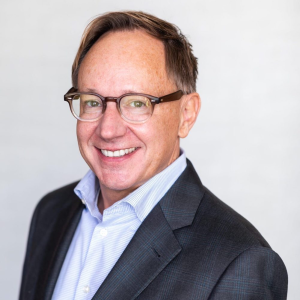
“The key question is whether growth continues when the founder steps out of the business,” said David DeVoe, Founder and CEO of DeVoe & Company. “A transferable growth engine has multiple rainmakers, repeatable business-development processes, institutional referral relationships, and marketing that transcends any individual.”
Some experts say that firms should invest in talent, design appropriate incentives, establish effective ways to measure growth and centralize demand generation (marketing, data, centers of influence programs, potential client pipelines).
In other words, inject the quest for organic growth into the firm’s DNA so that the responsibility for winning clients and new business is an organizational capacity, not just resting on one person.
“You can transfer processes, sales disciplines, institutional relationships and lessons learned over decades,” said Tyler Morris, Founding Partner, Managing Director of Stratos Private Wealth, a division of Stratos Wealth Partners.
“You can’t transfer personality, personal networks or a founder’s natural ability to prospect,” he said. “Rather than trying to recreate the founder, we focused on institutionalizing how the firm generates opportunities and allowing the next generation to build on that foundation.”
Founder-Led Growth Versus Transferrable Growth
For RIAs in the $1 billion to $15 billion range to determine whether growth is transferable, they must first determine who’s actually generating new business.
“If the growth disappears when the founder steps back, it’s founder-led,” said Jim Roth, Partner at Ascentix Partners. “If the growth persists through systems, processes, and distributed leadership, it’s transferable.”
Josh Harris, President of M&A at Coldstream Wealth Management, said that firms generating the strongest growth “should see at least half of new business coming in from non-owner/founders.”
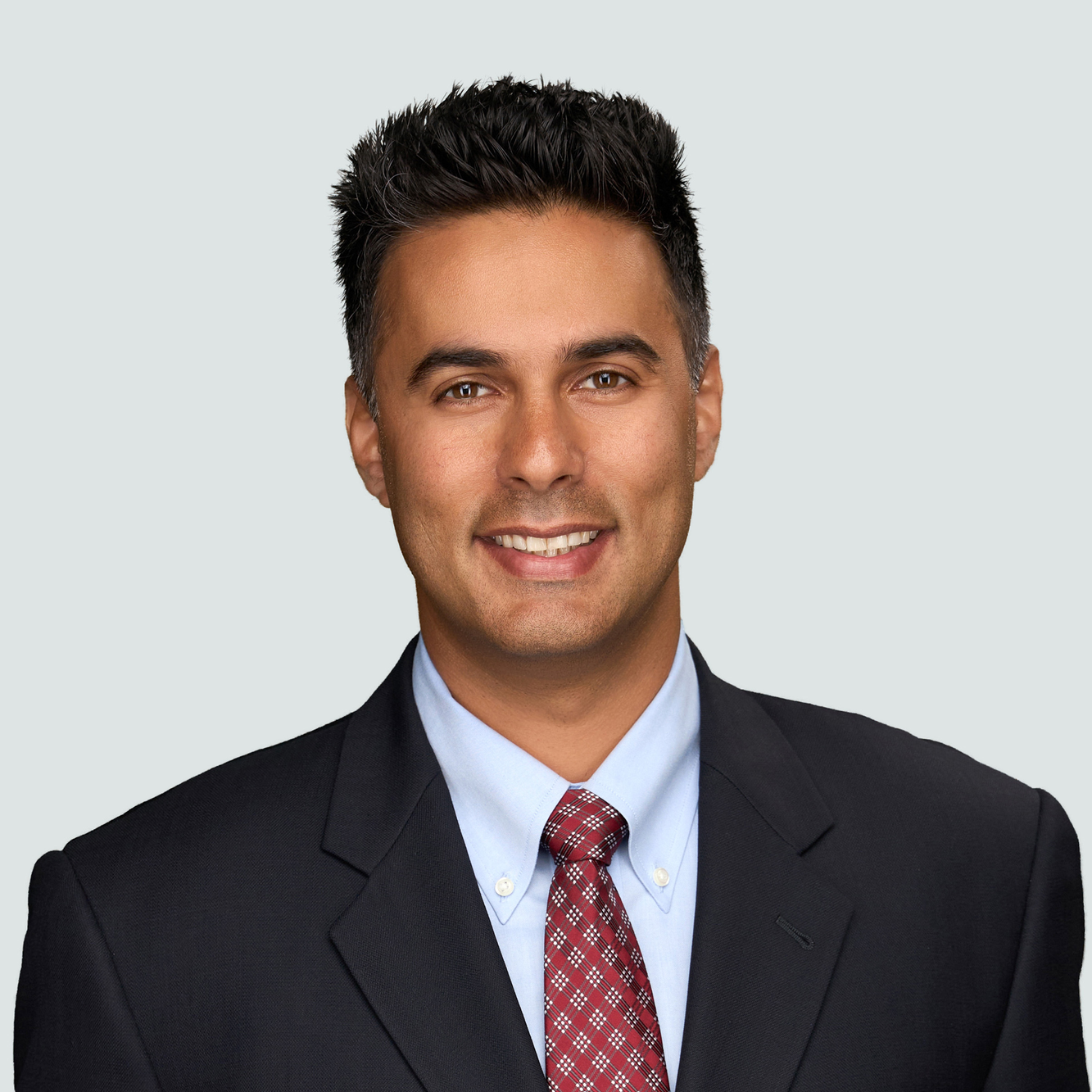
Said Varun Sanon, Managing Director, Corporate Development at Perigon Wealth: “A transferable engine shows NNA (net new assets) from multiple advisors, tracked sources and inbound flow the founder never touched. Test the trailing twelve months specifically.”
What Founders Can And Cannot Transfer
RIAs can certainly learn a few things from a founder. But not everything transfers so well.
“Founders are often exceptional rainmakers but ineffective teachers of rainmaking,” DeVoe said. “The challenge is turning decades of instinct into repeatable, teachable behaviors – especially asking for referrals. A founder’s ability to teach the next generation to systematically generate them is critical to transferring growth.”
Said Sanon: “Not transferable: the founder’s 20-year reputation and trust equity, their local standing and their motivation/drive. Next-gen inherits the machine, not the biography.”
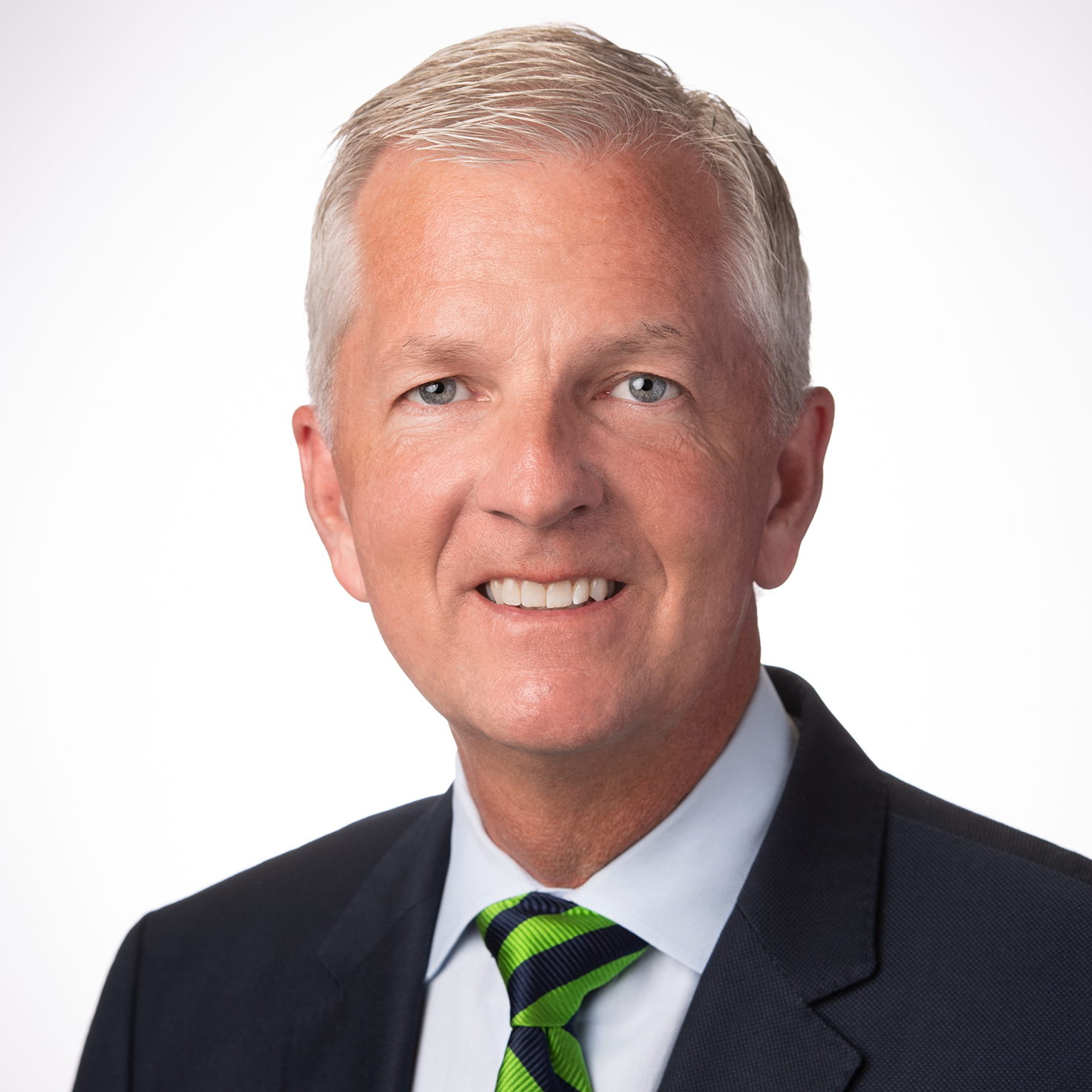
Andy Kalbaugh, President of Wealth Consulting Group, said founders should play an active role in leaving the firm a strong foundation to grow. And that takes years of planning and preparation, he said.
“We’d view this as doable but a slower road,” Kalbaugh said. “It’s a founder’s role to derisk this aspect of the business.”
Harris said founders should immediately focus on empowering junior advisors.
“It’s really important for founders to begin putting their junior advisors on a pedestal as soon as possible,” he said. “When that happens, trust develops in the next generation’s ability to become valuable members of the client service team. It takes time and a founder’s relationship can never be replaced. But it can evolve.”
But founders can only do so much, Roth said.
“A founder’s ability to generate new business is never a single skill,” he said. “It’s a bundle of instincts, behaviors, relationships and credibility signals. Some of that bundle can be transferred to the next generation in a firm, but a meaningful portion simply cannot. The distinction matters because succession plans often fail by assuming everything is teachable.”
Who’s Responsible For Rainmaking?
Experts say that successful RIAs should adopt an overall mindset and structure for organic growth rather than depending on the founder or a small group of advisors. One possibility: distinct business development operations beyond advisors to win new clients.
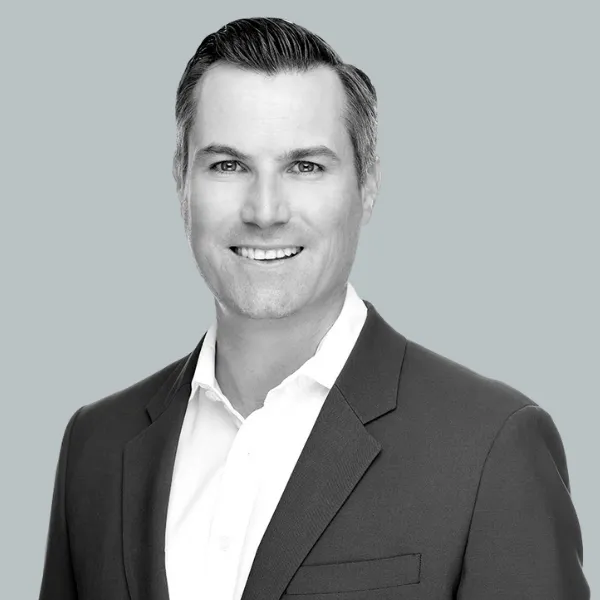
“We believe the firm should ultimately own the growth engine,” Morris said. “Building an enduring firm requires developing capabilities that live beyond any one advisor. Advisors still need to convert opportunities and earn referrals, but centralized business development allows us to hire and develop great advisors without requiring every advisor to also be strong in business development.”
“Business development should be everyone’s job,” Kalbaugh said. “We say it’s a ‘team sport’ but the accountability of the outcome should sit in a business development team (or person). You build goals, metrics and rewards that drive accountability. Next-generation advisors have an important enough job helping their clients. We found that business development is more effective when it’s a focused effort by a team or individual.”
Building A Growth Engine Beyond The Founder
“Dedicate real capacity to growth,” Morris said. “Define your ideal clients, build campaigns around their needs, develop repeatable prospecting, sales and onboarding processes, and create multiple channels for generating opportunities. Most importantly, build processes that multiple advisors can execute consistently.”

“Perhaps the most important process is a carefully crafted incentive compensation program,” DeVoe said. “People respond to incentives, and the right structure can transform growth from something driven by the founder into a shared organizational priority.”
Said Roth: “Founder independence isn’t achieved by replacing the founder with another rainmaker. It’s achieved by changing the operating model so growth comes from: systems, specialization, marketing, professional BD, institutional relationships. You don’t replicate the founder — you replace the founder’s magic with organizational machinery.”
How To Recognize A True Growth Engine
Sanon lists four questions to consider:
- Is net-of-market organic growth positive with founder-sourced business excluded?
- Do new clients originate across many advisors, not one or two?
- Can you forecast next year’s NNA within a band and hit it?
- Is cost per new client known and repeatable?
Said Kalbaugh: “Measure it. Compare results. Build a key set of metrics you believe drive growth and the activities to influence the results. Examples could be: NNA, retention rates, recruiting AUM, unit costs, etc. You always have to exclude market returns. You can’t control them so your engine must deliver on things you can influence and control.”
Avoid These Mistakes
Harris said that building an RIA’s capacity to attract new business requires time and commitment.
“Business development is hard,” he said. “It takes training and practice. We see a lot of firms that don’t spend the time and resources on this extremely important skill. Firms often overlook the training aspect of business development and simply assume any advisor can go out and bring in new business.”
Roth said firms often think they can just “copy the founder.” They can’t, he said.
“The common mistakes RIAs make in this transition are surprisingly consistent across firms,” he said. “They almost always stem from underestimating how different institutional growth is from founder-driven growth. The core mistake is assuming you can ‘copy the founder’ instead of redesigning the growth engine.”
“RIAs underestimate how much the founder’s presence suppresses the need for systems,” Roth said. “When the founder steps back, the absence of intuition, reputation and personal brand reveals how little structure actually existed. Most firms think they need ‘better salespeople.’ What they really need is a growth operating system.”
And building such a system is considerably more difficult than relying on the founder to bring in new business.
“A major mistake is treating succession solely as transferring existing client relationships,” Morris said. “Preserving the book is important, but building an enduring firm also requires preserving the ability to create the next client. Firms should institutionalize organic growth rather than simply expecting the next generation of advisors to become versions of the founder.”
Thomas Lee, Senior Editor and Staff Writer for Wealth Solutions Report, can be reached at thomas.lee@wealthsolutionsreport.com.


