

The first day of the Institute for Portfolio Alternatives (IPA) 2026 IPA Summit, held at the Conrad in Washington, D.C., from April 29 to May 1, presented interviews with top regulators from the SEC and FINRA as well as Sen. Tim Scott, Chairman of the Senate Banking Committee.
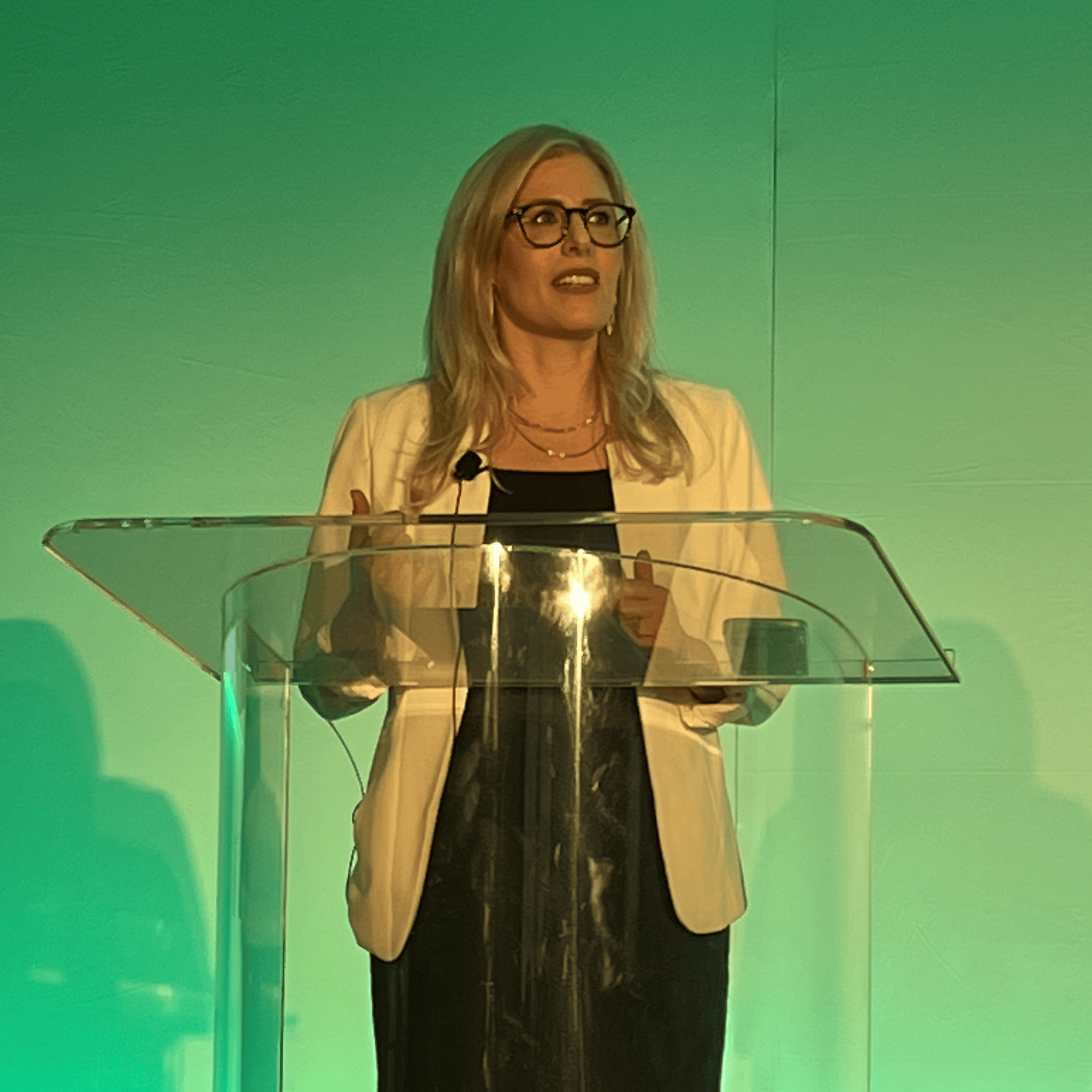
In her welcoming remarks, Anya Coverman, President and CEO of the IPA, said the IPA is the industry's voice at the intersection of markets and policy. "We connect the complex and often highly regulated worlds of private markets with the long-term financial goals of individual investors.”
Jason Goode, IPA Chair and Partner at Alston & Bird, said this year’s summit was the largest in terms of sponsors, distribution partners and industry participants, and included more than 160 people registered for Capitol Hill meetings with lawmakers, which occurred on the morning of April 30.
Keynote With Hester M. Peirce Of The SEC
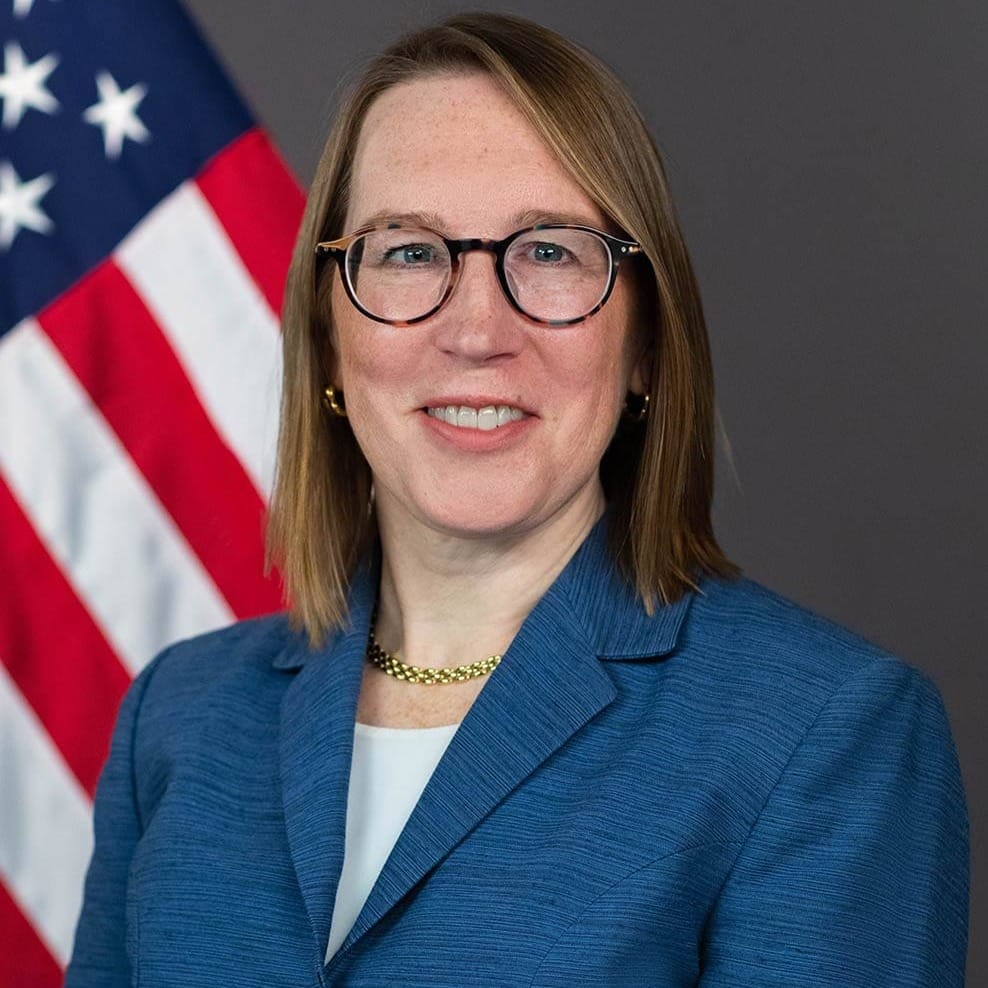
In the first keynote presentation, Hester M. Peirce, Commissioner of the SEC, joined moderator Robert Bergdolt, Partner at DLA Piper, for a discussion covering private credit, public-company formation, private market access and regulation by enforcement.
Peirce said recent issues regarding non-traded business development company (BDC) redemption requests did not necessarily indicate a breakdown in the regulatory or disclosure regime. “It seems that things are working as intended,” Peirce said. “There are restrictions on redemptions for a reason.”
She added that private credit deserves attention, but said the analysis depends on the specific borrowers, uses of proceeds and conditions around each credit arrangement.
Peirce also addressed concerns that some publicly traded private credit vehicles have traded below reported net asset value, saying a market discount does not automatically show that valuations are flawed. Public markets, she said, test valuations in ways private markets do not, and market pricing can give participants useful information.
Peirce also addressed SEC Chairman Paul Atkins’ interest in making IPOs more attractive. She said the SEC could review executive compensation disclosure, broader disclosure requirements, litigation risk, market structure for smaller issuers and research analyst coverage. She added that private market growth does not have to conflict with public market reform.
“I have always thought the two markets should exist side by side,” Peirce said.
Peirce also criticized regulation by enforcement, distinguishing the SEC’s regulatory mission from its enforcement function.
“We are a regulatory agency with an enforcement arm,” Peirce said. ““When we try to use our enforcing arm to do the regulation, to write the regulations, then we are doing regulation by enforcement.”
She cited off-channel communications and crypto as examples where, in her view, the agency should have clarified or modernized policy before bringing enforcement actions.
Investing In America Award And Senator Tim Scott
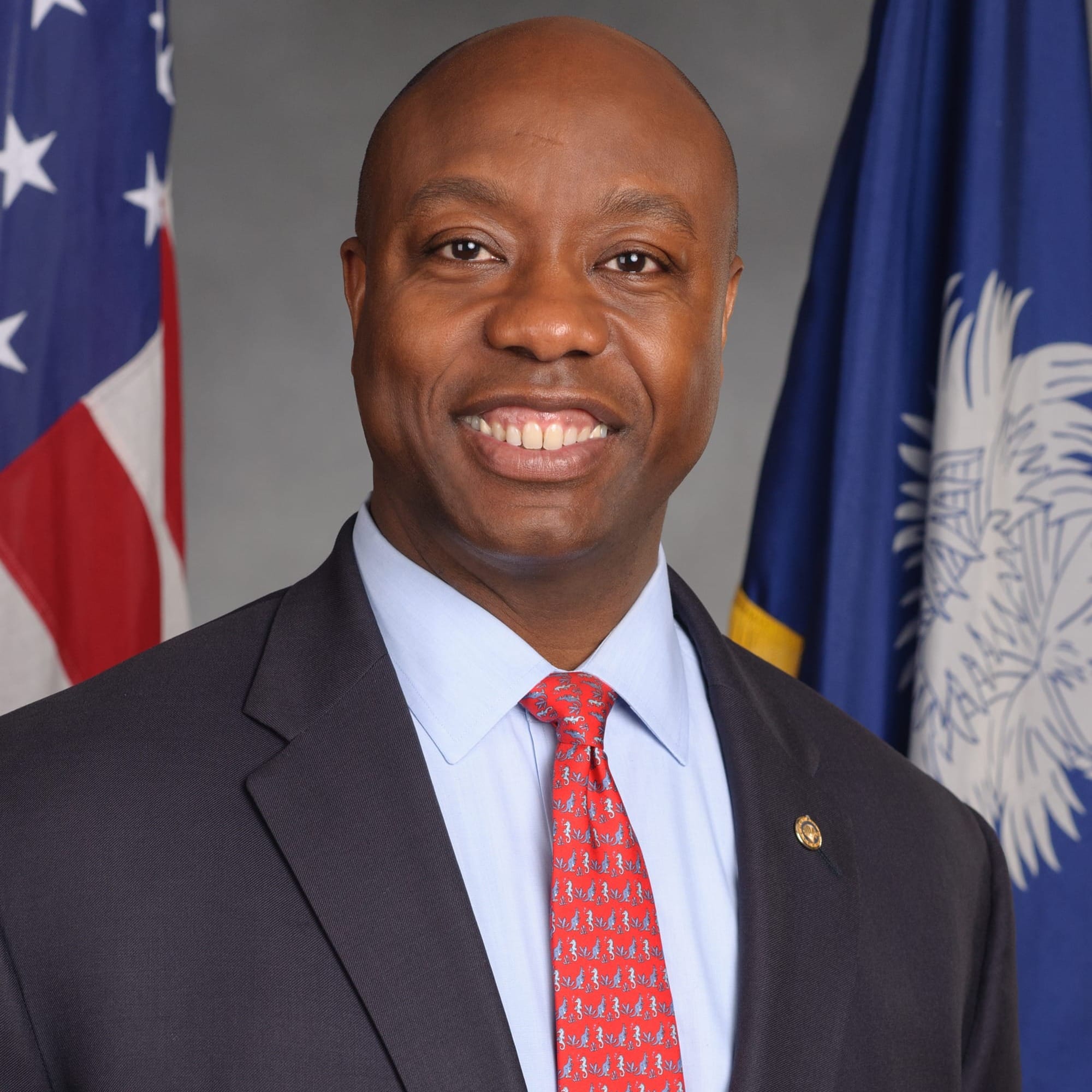
Coverman presented Scott with IPA’s 2026 Investing in America Award, recognizing his work on economic growth, opportunity zones and capital formation.
Scott tied his policy views to his personal background and said access to capital and credit can be difficult for people without wealth or established networks. He said policy should make it easier for entrepreneurs, small businesses and local communities to access growth capital.
“Capital matters, but if you have competency, that should count too,” Scott said, discussing accredited investor policy.
Scott also urged IPA members heading to Capitol Hill to make their advocacy personal and concrete.
Keynote With Nathaniel Stankard Of FINRA
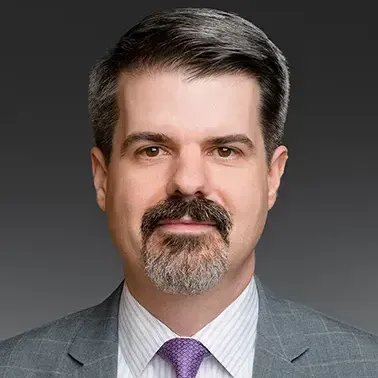
In the second keynote with Stankard, Executive Vice President and Chief of Staff of FINRA, Nathaniel Stankard joined moderator Blake Estes, Partner at Gibson Dunn, to discuss FINRA modernization and the growth of retail alternatives.
Stankard said FINRA’s modernization initiative, FINRA Forward, has three priorities: modernizing outdated rules, supporting member-firm compliance and addressing cybersecurity and fraud. He said FINRA is reviewing rules written for earlier market conditions and asking where updates are needed.
Stankard said, ““We have basically thrown open the rulebook and we have said, ‘Some of these rules are decades old. Tell us what’s broken. Tell us what is working.’"
He pointed out that FINRA’s self-regulatory structure allows frequent dialogue with firms and should create a practical feedback loop between the regulator and the industry. "If we are doing our job well, that is the goal. Sometimes we do it well. Sometimes we could use improvement and that’s where we get the feedback."
On retail alternatives, Stankard said the central question is whether supervisory systems, disclosures and product knowledge are appropriate for the complexity and liquidity profile of the products being sold.
"Fundamentally, what we are asking for is re-examine or think about your supervisory environment, your disclosures, the apparatus that goes along with these sales, and ask yourself whether it is right-sized for the present investor population," Stankard said.
Julius Buchanan, Editor in Chief at Wealth Solutions Report, can be reached at julius.buchanan@wealthsolutionsreport.com.


