

Traditionally, a key driver of a financial advisor’s growth is casting a wider net. Increasingly, though, the converse is proving true. As clients seek out more personalized advice and advisors look for ways to stand out in a crowded marketplace, many firms are finding greater success by narrowing their focus and building expertise around specific client segments.
Today’s niche practices go beyond traditional specialties such as retirees or high net worth investors. From specifically serving airline pilots and physicians to business owners, corporate executives and entrepreneurs, advisors are developing deep, concentrated expertise. Rather than simply customizing marketing messages, these firms are redesigning their planning processes, service models and educational content around the often-unique financial challenges their clients face.
A well-defined niche can lead to stronger client relationships by empowering advisors to speak their clients’ language, anticipate their concerns and deliver more relevant guidance.
To better understand why niche-focused practices continue to gain momentum, we spoke with several executives from wealth management firms with a specific niche:

Brandt Burns, Founder and CEO of Mountain Capital Investment Advisors; Jason Van de Loo, CEO of Choreo; and Matt Smith, Managing Director of Great Lakes Financial Group, part of Prudential Advisors.
They share the markets they’re serving, why those client segments present opportunities, and how a specialized approach is different from a traditional, broad-based advisory model.
WSR: What niche markets are advisors focusing on now, and why?
Burns: We are seeing more advisors move toward highly specialized client communities where they can develop deep expertise and long-term trust rather than trying to broadly serve “everyone.” Traditional niches like retirees, business owners, physicians, divorcees and executives remain very active, but increasingly the most successful firms are building around communities with highly specific financial planning, behavioral and career dynamics.
We focus heavily on airline pilots and aviation professionals. While that may sound narrow externally, it is actually a very complex planning environment involving union retirement systems, pension decisions, deferred compensation, structures such as Fidelity’s BrokerageLink or Schwab’s PCRA, irregular income patterns, tax planning and career-specific risk management.
What makes niche practices powerful is not simply marketing efficiency — it is the ability to genuinely understand the language, concerns, decision-making patterns and life transitions of the clients being served. That creates stronger trust, better retention and often much higher referral velocity within tightly connected communities.
In our experience, clients increasingly want advisors who deeply understand “people like them,” rather than generalists trying to serve every demographic equally.
Van de Loo: Choreo focuses on builders of closely held and family-run businesses — clients with complex needs that span both wealth management and tax planning. Our experience with entrepreneurs and business owners shows that regardless of their stage — startup, growing, pre-sale or post-transaction — they are often best served by advisors who understand how tax and wealth work together and can deliver coordinated solutions.
Closely held businesses account for a significant share of American jobs and are a primary driver of generational wealth. This market is large and complex, and we don’t view these builders as a niche, but as a meaningful segment with specific needs that are still underserved by the industry.
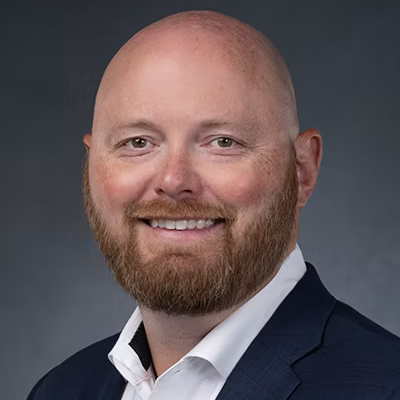
Smith: My team has been focused on the executive and business owner space, primarily pre-retirees and those transitioning into retirement. While financial security remains top of mind for all the clients we interact with, we’ve found executives and business owners have a need for someone to help them not only create a vision for what they want their retirement lifestyle to look like, but also provide a realistic approach to reaching their goals.
Additionally, with the complexities they face in some of their planning, many want someone to simplify their options and make the steps of their plan more actionable.
WSR: How does engaging in these markets differ from a blanket approach?

Burns: The biggest difference is that niche engagement is relationship-driven rather than product- or sales-driven. A broad approach often relies on generalized messaging intended to appeal to as many people as possible. In contrast, niche firms build highly customized planning experiences around the actual realities clients face within a specific profession, life stage or community.
For example, within the airline pilot niche, our conversations are rarely generic retirement discussions. We are talking about specific union plans, fleet transitions, mandatory retirement timelines, tax-sensitive contribution strategies, bidding schedules, career volatility and how pilots psychologically think about risk and financial independence. That level of specificity changes the relationship entirely.
It also changes how firms communicate and market. Content becomes more educational and relevant because it is designed around real-world issues that matter directly to the audience being served. Over time, this creates stronger trust and significantly higher referral activity because clients feel understood at a much deeper level. Ultimately, successful niche practices are less about narrowing your market and more about increasing the depth, relevance and consistency of the client experience.
Van de Loo: Builders of closely held businesses require a particular set of expert services, all of which we either provide or have trusted partners that do. Building a practice designed to serve a particular group enables specialization and, therefore, better services to achieve the goals of a firm’s clients. This level of focus enables more coordinated planning, deeper expertise and ultimately helps drive better outcomes for clients.
Smith: We’ve found that most successful executives and business owners are looking for someone they can collaborate with on their goals and dreams. Unlike clients who may simply want recommendations on specific products or services, this group values advisors who can serve as consultants, helping them thoughtfully evaluate various strategies and thoroughly discuss potential outcomes.
Additionally, this group tends to desire a more creative approach regarding their financial solutions. In turn, our advisors have been pursuing specialized designations and credentials to stay relevant in the space, while meeting the ever-expanding knowledge requirements the market demands.
Wealth Solutions Report can be reached at info@wealthsolutionsreport.com.


