

In the independent wealth management space, RIA dealmaking continues to fire on all cylinders despite volatile markets and uncertain economic conditions. According to Berkshire Global, RIA transactions reached a record in the first half of 2026 and are on pace to set another annual record.
An aging financial advisor demographic, large enterprises looking to expand their footprints and plenty of private equity and institutional dollars in search of strong firms with high ROI potential are the main drivers behind this robust acquisition activity. No matter the impetus and no matter the business model, acquisition-driven platforms all face the same challenge: building and integrating centralized service capabilities in a constantly evolving digital ecosystem.
RIAs that are leaning into growth by acquisition know that growth is good, but scale is better for today’s bottom line and tomorrow’s expansion aspirations. Resources such as third-party fintech providers offering customizable products and services – many of which are embedding AI capabilities into their offerings – can enhance interoperability. Still, fragmented legacy technologies can take a toll on operational efficiencies and workflow.
Understanding the challenges and opportunities that come with “scaling smart” can help firms streamline the tech integration process, guide their tech investments and ultimately create a coherent tech stack that serves both the firm’s growth ambitions and its advisors’ business development efforts. To learn more about how best to navigate the complexities of tech integration, and current trends firms must contend with, I sought out insights from three industry CEOs:
- Craig Gould, CEO, Binah Capital Group, a publicly traded financial services enterprise supporting independent advisors through its affiliated broker-dealers
- Nate Angelo, CEO, Composition Wealth, an RIA headquartered in Los Angeles
- Jimmy Lee, CEO and Founder of The Wealth Consulting Group, a planning-led hybrid RIA that serves independent advisors with long-term growth objectives
My questions and their responses are below.
Roth: With respect to M&A, are advancements in AI a net positive or negative when it comes to integrating disparate tech stacks?

Gould: Net positive. The hardest part of any deal has never been the signing; it’s the plumbing. Integration work that used to consume two or three quarters – the data mapping, the account migrations and the reconciliation work – should now get done in weeks. One caution: AI moves at the speed of your data. Clean data integrates fast. If it’s a mess, you just find out sooner.
Angelo: Advancements in AI are allowing for real integration across disparate tech stacks for the first time. For years, the RIA space has been clamoring for fintech to solve for integration across tech partners, and as an industry we simply have not been able to get there. AI will be the bridge we have been looking for to solve integration.
Lee: Net positive, without a doubt. The historical cost of M&A integration was human hours spent on manual tasks like mapping data fields, reconciling CRMs and normalizing billing. AI collapses that timeline. What used to require a six-month conversion project can now be scoped in weeks.
The risk isn’t AI itself but rather that acquirers using AI will paper over integration decisions that they should be making deliberately. AI tools can accelerate execution, but they don’t substitute for a clear target-state architecture. Firms that know what their stack should look like post-close will get enormous leverage from AI. Firms that don’t will just fail faster.
Roth: Are proprietary technologies a “scale killer” for firms pursuing RIA M&A?
Gould: To me, the answer is a matter of timing. Old legacy proprietary technology would concern me. So much money has poured into wealthtech over the last 15 years that proprietary technology almost seems silly. The real question is integration of systems. Unless you have an unlimited budget, customization of third-party software is where you should be. If proprietary means writing your own code, that’s a mistake. Where we’re headed is unique agents and AI customizing what you do inside a fully integrated tech stack.

Angelo: Proprietary technology as a whole is becoming more cumbersome and costly. It is very difficult for a firm of any size to be able to spend enough money to maintain, evolve and keep pace with best-in-breed technology firms as it pertains to proprietary technology offerings. As such, proprietary technology makes scaling more difficult in the RIA space.
Lee: Only when they’re proprietary for pride rather than purpose. Custom-built tech becomes a scale killer when it creates switching costs for incoming advisors or requires the acquirer to maintain infrastructure that commercial vendors do better. But selective proprietary layers – data warehousing, dashboards and workflow automation sitting on top of best-in-class vendor systems – are actually scale enablers. The test is simple: does the technology reduce friction for the next acquisition, or add to it? Acquirers should own the integration layer and rent everything else.
Roth: An integrated service model helps drive an enterprise’s operational scale. What are the potential impacts of this on advisor autonomy or the client service experience – positive and negative?
Gould: The upside is real. Advisors hand off compliance, operations and technology, and they get that time back for clients. The risk is standardization, where the model slowly sands off what made each practice different. We built Binah around optionality. Advisors choose what they plug into. Nobody joined the independent channel to be told how to run their book. Done right, the client never sees the platform. They just see an advisor who has more time for them.
Angelo: Integrated resources, both technology and human capital, when done right, will aid in the client service experience. The “experience” is not about what you do; it is about how you deliver your service. Ultimately, we are in the business of delivering transformational relationships that connect clients to advisors in the deepest way possible. Integrated service processes allow humans to purposefully make emotional connections with their clients.
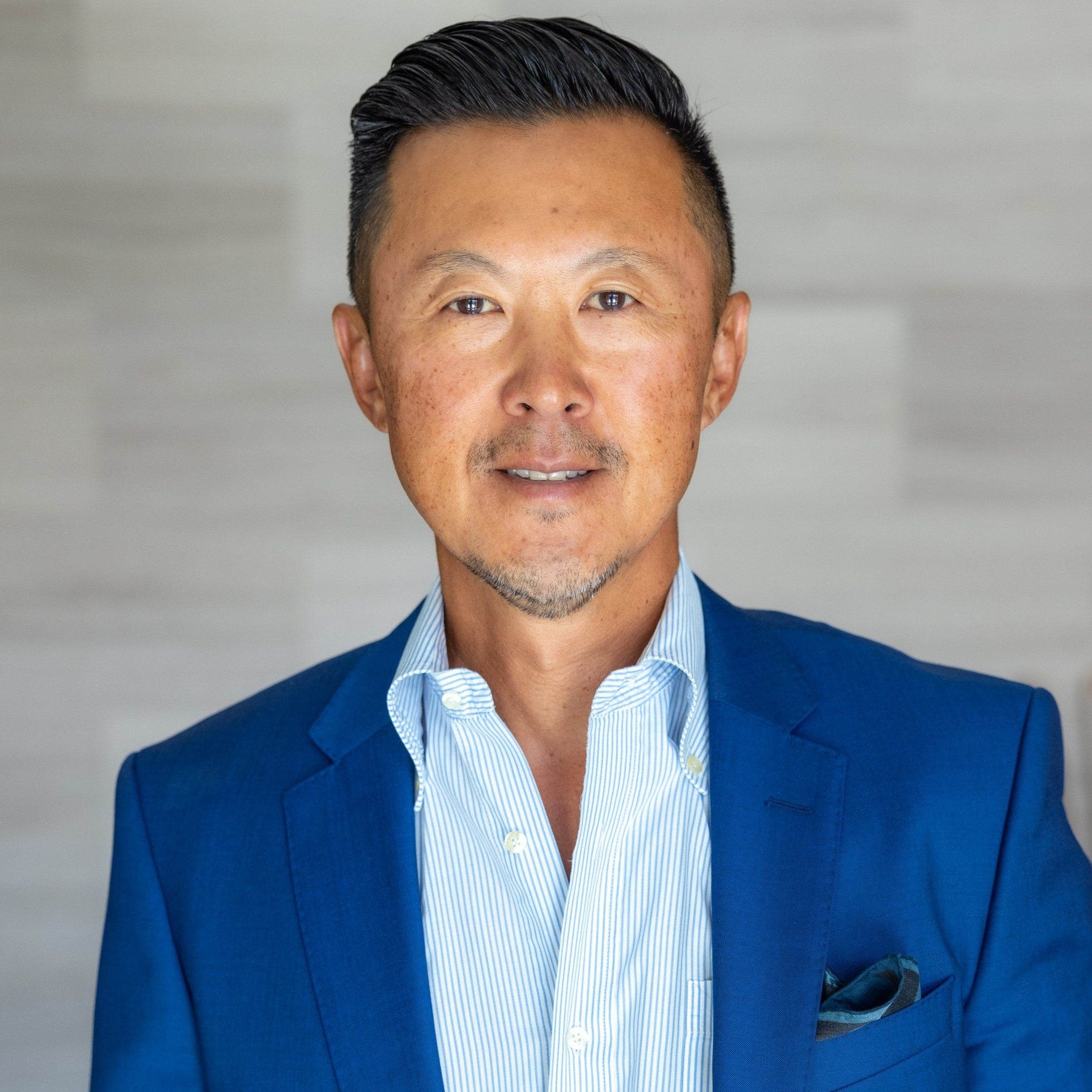
Lee: The positive case is real: centralized compliance, billing, operations and investment infrastructure free advisors to spend their time with clients, and clients get more consistent execution. The risk is homogenization – advisors who built practices on a distinctive service model can feel flattened into a corporate standard, and clients notice when their advisor becomes a relationship manager for someone else’s process.
The firms that get this right centralize the back office and protect the front office. Autonomy over client relationships and advice delivery should be non-negotiable; everything behind it is fair game for scale.
Jim Roth is a Partner at Ascentix Partners, where Larry Roth, CEO of WSR, serves as Founder and Managing Partner. All decisions on editorial content are made by WSR’s editorial team.


